
Boney
kiwifarms.net
- Joined
- Jul 5, 2024
Hello. This is my guide for those with an interest in becoming a proficient and adequately equipped gunfighter. It is catered for people who are interested in taking the plunge into LARPing as an American minuteman or as a shooting hobbyist just want to develop new skills. The assumed start point is you know nothing. The gun community is full of low information, highly opinionated people who use flawed logic to justify their particular gun and kit, this might be you, please approach this with an open mind and feel free to ask questions or offer critique.
This guide is specifically written with two things in mind:
1. No regrets. Everything I recommend is what I refer to as an "enabler" for future capabilities. You may have heard the term "Buy once, cry once." Everything I recommend in this is done so on the assumption that you are both thrifty and wise. Hypothetically, if you follow this guide you wont need to buy anything else for tens of thousands of rounds fired and hundreds of hours in the field.
2. The sky is the limit. Bad advice often is followed by a conditional. "It's fine as long as..." "Its just as good as..." "As long as you don't need to..." everything listed here for you to buy will offer utility for both the beginner LARPer learning which end of the gun goes bang all the way up to the Delta Force operator making entry under night vision goggles. Every piece of gear is selected to ensure your first purchase will suffice as your skills and capabilities grow.
My motivation for this is simple. As an American it is your civil duty as a citizen, I believe, to develop and pass on the skills to the posterity that granted this nation it's independence from tyranny to begin with. The consent of a people to be governed is derived from the capacity of the people to resist that government. The gun community is overwhelmingly consumerist and delusional. Combatting both of these negative traits is my mission statement and contribution towards furthering our 2nd Amendment rights, and my duty as a citizen. If you have motivations that are political, cruel, or petty... fuck off. Get help.
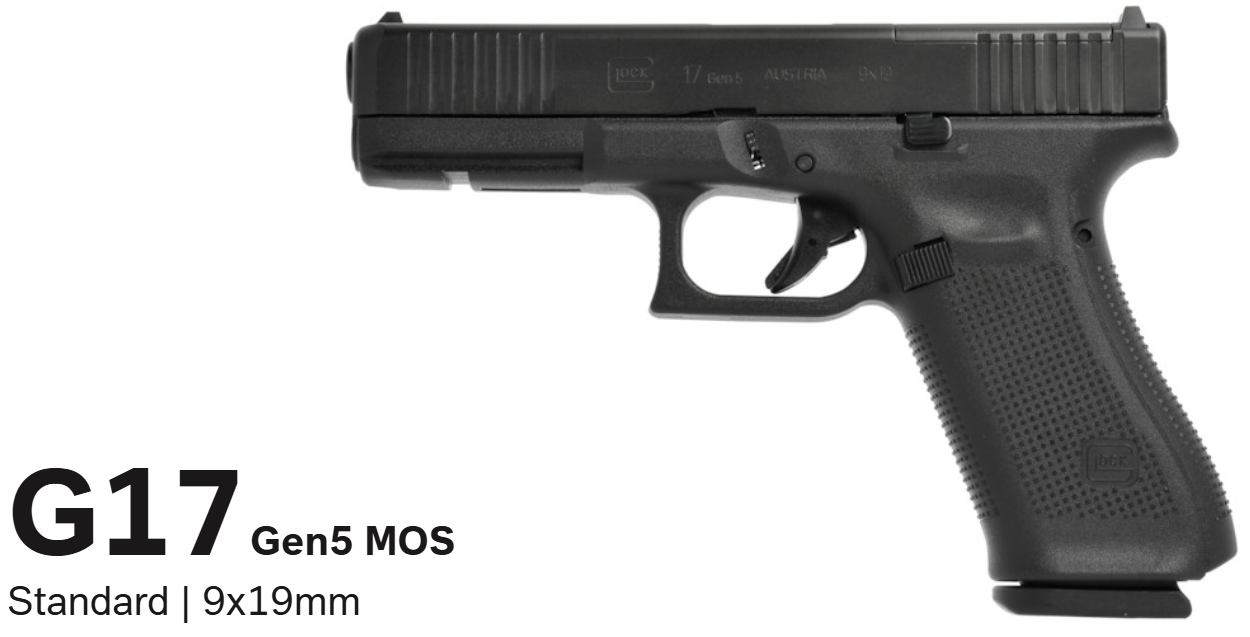
Your pistol: Glock 19MOS/Glock19X, Glock 17MOS, Glock 45MOS.
Just buy the Glock. Everything good about Glocks are extremely important, and everything that sucks about them really isn't very important. Good capacity, good scalability (adjusting attachments to meet mission demands), excellent holster options, extremely safe internal mechanisms, unbeatable durability and longevity, correct caliber, and supreme reliability, and perhaps the most under rated of all features, easily serviced. If you take this hobby seriously you will amass a serious round count fired through your pistol eventually, and you will need to service your firearm. You can fix a Glock yourself because parts are abundant and available, information is abundant and available. While there are no shortage of pistols that beat Glocks at something not a single one can beat Glock's at everything.
Make no mistake, you as a civilian must treat this as your primary weapon and emphasize your training on this platform. It is of critical importance you practice with your new Glock regularly, skills are perishable and a defensive shooting is unforgiving in time and stray rounds.
Attachments:
Optic- RMR (unbeatable longevity, excellent battery life, heavily standardized across the industry, you can get an enclosed optic later)
Flashlight- Streamlight TLR-7 (durability, price point, features, illumination)
Ammo:
For every day carry or home defense, use hollow points. I use Federal Hydrashock, but Hornady critical defense is good. Most brand name hollow points are fine. However, be sure to take them to the range and do a few magazines to make sure your selected ammo meshes well with your gun. Pistols can be famously picky about their defensive loads.
For training, use whatever is cheapest. Even if it is Turkshit doesn't-always-go-bang tier garbage, malfunctions can just enhance your training, where as going broke usually ends it.
I have written the least about your handgun. But I can not emphasize enough, your pistol is more likely to save your life by cosmic proportions then the rifle at home is in a functional state of society. A rifle is dessert for those who can print groups on a paper plate at 15yds at least. Start here, get your EDC situated, then get your rifle. I would eventually work up to having no fewer then 10 magazines, but you really just need to start with 3.
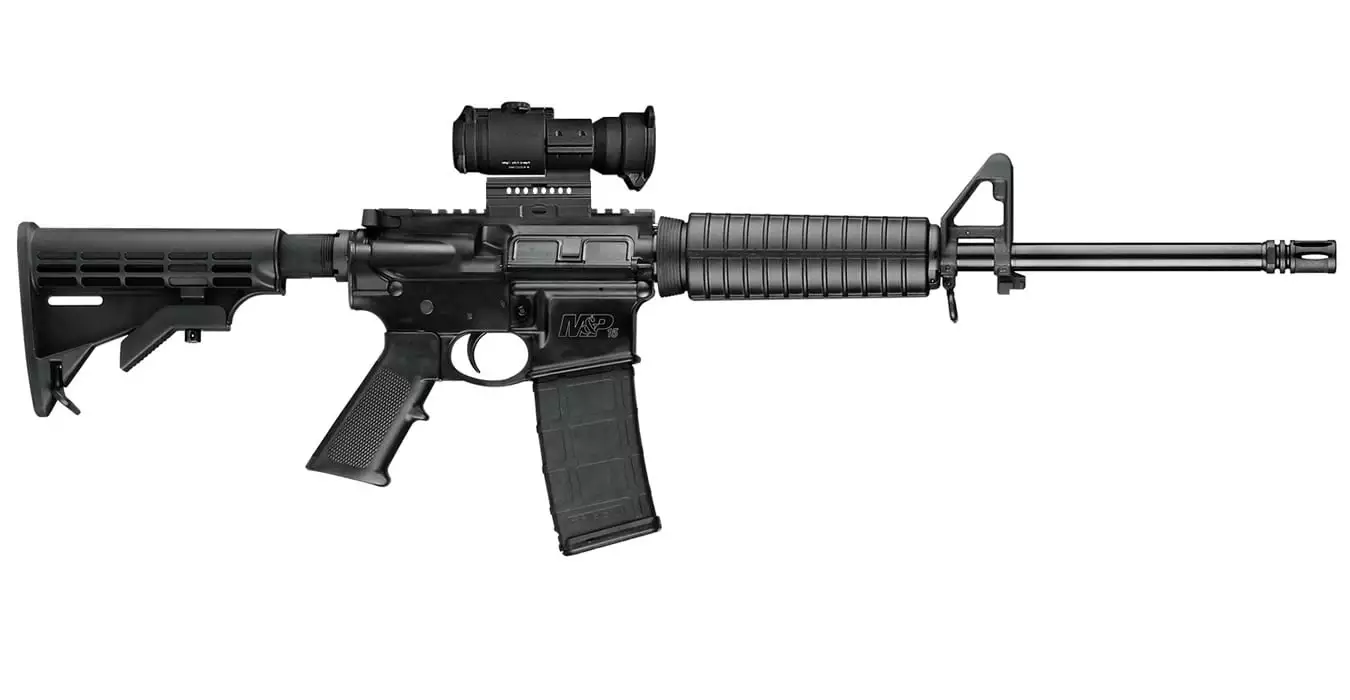
Your Rifle: $1,000-$1,500 chrome lined barrel AR-15 chambered in 5.56/.223Wylde
The AR-15 in the year of our lord 2025 is the most reliable, tested, combat proven, and logistically supported firearm in the history of man, even beating out the Brown Bess and probably the fucking spear. If it breaks, you can fix it, if not they are all very well warrantied. There is no other gun with as much information and knowledge posted about it. Nothing can match its reliability while delivering on profile, weight, and performance.
The brand matters little at that price point as long as you are getting a chrome lined barrel and modern design. Colt, FN, BCM, Centurion, Daniel Defense, Spikes, Noveske, they all have their fans or haters for particular reasons, and those reasons are generally pretty silly. Once you tap into the $2,000 rifles (like a SACR, KAC, V7, etc) it puts you out of my target demographic of people who aren't made of money and need to get every purchase right in order to afford ammo. Go enjoy your KAC knowing you bought the best rifle in the world, but you should be embarrassed if you aren't pushing it to the point where that degree of minutia actually grants performance.
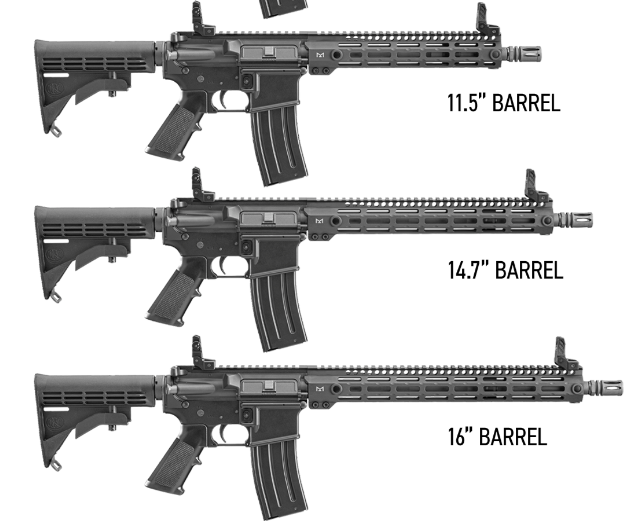
We need to talk about barrel length real fast. You only have 3 options if you don't want to turn your gun into a statement about your personality or commit to making the build a project in and of itself. I suggest starting with a 16" rifle, because it does not require a tax stamp, which incurs additional cost, and it can be repurposed down the road. When the time comes buy an SBR, now you have two rifles that you can kit to cover all your needs comprehensively.
The shortest you can go is 11.5" because any shorter and you are getting reliability/longevity issues (dwell time blah blah blah nerd stuff) and conveniently this length is extremely accommodating for a suppressor, which will basically negate all the disadvantages of using a short barreled rifle to begin with. With quality defensive ammo (More on that later!) you still have an effective range out to 300yds. Ultimately, the payoff in formfactor and compact capability means most people consider this ideal for most people's use cases. If you start here, you are going to need to put in a little extra effort at the starting line getting the tax stamp and suppressor.
14.5" is a great barrel length, quite conveniently short, a little more oomf in velocity (don't fixate on this, I'll get to it, a bit over rated for reasons) and there is no shortage of magnified optics that have bullet drop compensators calibrated for this barrel length using common ammo (more on that later as well). You can put a full size suppressor on this carbine and it will bring you back to the length of a 20" M16 or there abouts. It is also widely available, everyone offers their take on a Block 2 M4, with plenty of documentation and graphs of data out there to assist you in zeroing and answering inquires about your specific gun. You can pin and weld a muzzle device on this to make it NFA complaint and still run a suppressor.
The last is 16" rifles. The so called "Mlok-15s" these don't require a tax stamp or for you to learn anything about pin and welding. They don't require you to know more then two sets of holds in your optic (more on that later!), they have optics with bullet drop compensators calibrated for their barrel length widely available on the market. They retain sufficient velocity to cause acceptable fragmentation with the most common types of .223/5.56 ammo at firefight ranges (M193 and M855) this barrel length is the braindead, but absolutely viable, option. I know it sound's like I'm talking it up a lot, but in honesty a short barrel rifle is the answer in the long, long run. If you start here, you will eventually be getting a short barreled rifle as you move towards suppressors, night vision, and more demanding mobility requirements.
Anything shorter, longer, or in-between these barrel lengths is entering special snowflake territory, where justifications lie outside the practical or lie inside the hyper niche. The military used 20" barrels for reasons far more contrived and complicated then anything you actually have to deal with as a civilian with access to the free market.
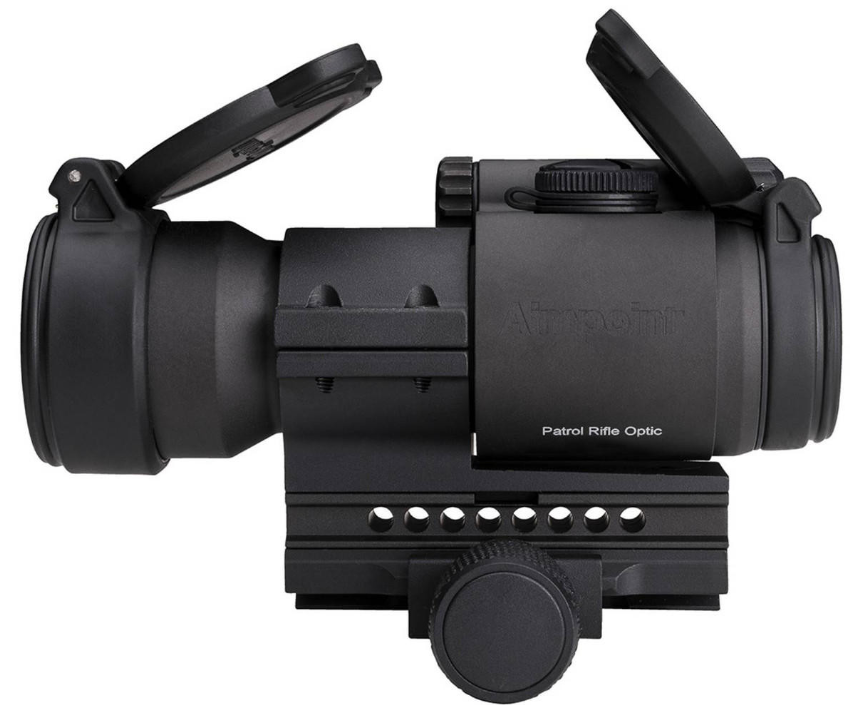
Optics:
AR-15 Optics are a whole topic a book could be written on. There are a number of good ones out there for various reasons, there is an abundance of passable ones, and no shortage of garbage that to an inexperienced person seem fine. I'm going to skip the exposition on the WHY for most of this and just give you two to pick from.
Red dot: Aimpoint PRO (Affordable, hyper durable, has night vision settings, good brightness, crisp dot, great battery life)
Magnified optic: ACOG (Indestructible, excellent field of view, excellent glass clarity, can be paired with an RMR for a red dot and night vision use)
LPVO: Don't do it its a trap! Actually, there are terrains where they are totally appropriate, but the cost and weight of these make their short comings... prominent discussion points. Cheap LPVOs are bad at everything but can do anything, good LPVOs are usually good at one thing and mediocre at everything else. Whatever, $1,500 LPVO goes here. Vudu, VCOG, ATACR, Razor... you are going to have to doll out some cash and still get disappointing reticle brightness.
MPVO: Medium Power Variable optics should be restricted to SPRs and we aren't getting into that right now. It is a specialized role that requires more considerations and training. (More on SPRs later!)
Slings:
Keeps the rifle attached to your body, used to support shooting at range, ensures rifle isn't grabbed off you in a tizy. There are "one point", "two point" and "three point" slings. This refers to how the sling is rigged to attached to you and the rifle. Just use a two point sling like a normal person, no one who does this stuff at a high level uses anything but.
Blueforce Vickers sling. Comes in padded and not padded variety. People have opinions about slings, and I don't understand that. The Vickers is the best I've ever used and it isn't even close. For me a good sling is very ridged and behaves predictably on the body. Some people like the Ferros Concepts one, some people like the Magpul one. I'm only going to recommend the Vickers, but it is user preference.
Light:
It's dark 50% of the time. You need a light to shoot things in the dark generally. Don't forget to get a lens cap from 100 concepts or make your own, remember at the end of every flashlight is a bright reflector.
Surefire 600: The most important thing about weapon lights is "flood" and brightness. Flood is their horizontal illumination so you can take in as much information in your immediate vicinity as possible. It is utterly retarded a fucking flashlight that delivers on brightness and flood costs upwards of $300. But that is the world we live in and Surefire is the brand that most delivers on that.
Runner up is Inforce if you legit can't bare the idea of spending that money on a flashlight. The button will suck though. The surefire tailcap (the button part) is the best bar-none as well.
Streamlights are very durable, but you won't realize what you are missing out on until you use a Surefire.
Magazines:
Metal mags are just a bit less of a hassle then polymer ones in my experience. Magpuls have a nice texture to them and seat very snuggly in the gun, this can be desirable if you have OCD about rattle in your gun, but generally it just means you'll occasionally have the mag stick in the magazine well during an emergency reload. I find myself favoring metal mags more and more, but I can also say (and this astonishes me) I have never, ever, had a magazine related malfunction using a Gen 3 PMAG. I don't list Surefeeds because they aren't made anymore. if you can get your hands on them get 'em.
Brownell's AR-15 Magazines: Well made, plentiful, affordable, reliable.
MAGPUL Gen 3 AR Magazines: Well made, plentiful, affordable, reliable.
Any other polymer mag is garbage. All of them are trash, including Gen 2 PMAGs. They are fine to train and practice with but not in a life or death situation, and some that are reliable at first wear out quickly.
Most STANAG metal magazines are fine.
Ammo:
Ammo is an extremely important topic, and easily the most over thought or underthought element of shooting. You're 5.56 AR-15 has more research behind it than any other gun in the history of mankind, and the most advanced ammo ever created was made with it in mind. You don't need to be shooting the expensive good stuff all the time.
Training ammo should be whatever is cheapest and can be bought in bulk for the best deal. I used to blast steel all day long every range trip. Those days are behind us, now you will be paying $0.55 a round for brass. M193 (and other 55gr ammo) and M855 are both readily available and cheapest most of the time. The key is it doesn't need to pass any check other than not blowing up in your face or squibing (basically avoid reloads from drunk strangers). Its for training, malfunctions are good.
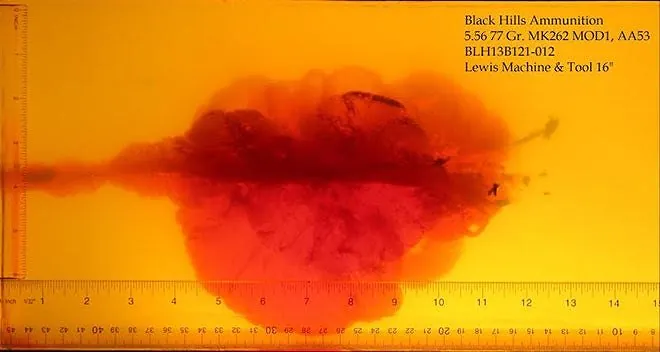
Combat load should be 77gr TMKs. This shit SLAPS. It is a highly refined match grade hollow point round with a low velocity threshold to get those hollow points to open up and inflict maximum damage in the terminal ballistics. People are hunting bears with this stuff right now. Yes, the higher grain count means slower and therefore more drop at range. But the added weight means less interference with the wind and stability as well, and the hollow points don't need to go very fast in order to get maximum effect. The Black Hills 77gr TMKs are currently the hottest best ammo. There are some other good ones out there. 77gr TMKs are a bit of a patience game to get your hands on, so you can use anything from Hornady VMAX, to AAC Sabre, the key is you want either bonded ammo, ballistic tip, or match grade hollow points in 69gr+.
If you have a 5.56 chamber you can shoot .223 and 5.56 interchangeably without thinking about it. Same for if your chamber is .223 Wylde. If you have a an old purely .233 chamber get a new more modern gun. Having the ability to fire either NATO or commercial spec is a convenience to great to pass up. Firing 5.56 out of a .223 is going to prematurely erode your barrel and chamber and hypothetically cause some potential for ammo to do unwanted things in the gun.
What else do I need? What next?:
My thought process follows advice given to me by a mentor on this topic: gear enables training, which develops capability, which dictates mission. Having covered gear first means we can get into the nitty gritty of how to train and what that looks like. The following post covers what you want to bring with you when going to the range. We all start off blasting trash, but you want to work your way up to a range kit so that you spend your time efficiently. Think of this guide as interactive, where you can post questions and get answers form me and other Kiwis on what to do next. It's an opportunity for you to have a personalized training regime in a way, albeit not an in-person one.
All this shit adds up to be fairly expensive. It took me personally about 4-5years to be fully kitted. I started in my early 20's and I still am lacking in some departments. My next big step is owning my own night vision (I have a couple hundred hours using NODs, but I've only ever used it in the military or borrowing a friends), I want something nice so its a saving game, all of this is.
There are also specific threads for training, guns, and gear.
Conclusion:
This is going to wrap up the consumer gun part of this guide. The plan is to release the rest in comments that won't take as long to hammer out and I can address in a more personal fashion based on who shows interest in the thread. I know some of you are already past the starting block, and a few of you really shoot.
Please let me know if you have any questions or see any gaps I left on this page. Frankly, I left out a ton of loose end questions about rifles like twist rate and materials used, none of that shit will matter to you if you stick to my guide. Just ask me in a comment or DM, I'll get back to you with an answer.
Special thanks to Polock for helping me edit this and format it (I'm not done with that yet as of this edit).
This guide is specifically written with two things in mind:
1. No regrets. Everything I recommend is what I refer to as an "enabler" for future capabilities. You may have heard the term "Buy once, cry once." Everything I recommend in this is done so on the assumption that you are both thrifty and wise. Hypothetically, if you follow this guide you wont need to buy anything else for tens of thousands of rounds fired and hundreds of hours in the field.
2. The sky is the limit. Bad advice often is followed by a conditional. "It's fine as long as..." "Its just as good as..." "As long as you don't need to..." everything listed here for you to buy will offer utility for both the beginner LARPer learning which end of the gun goes bang all the way up to the Delta Force operator making entry under night vision goggles. Every piece of gear is selected to ensure your first purchase will suffice as your skills and capabilities grow.
My motivation for this is simple. As an American it is your civil duty as a citizen, I believe, to develop and pass on the skills to the posterity that granted this nation it's independence from tyranny to begin with. The consent of a people to be governed is derived from the capacity of the people to resist that government. The gun community is overwhelmingly consumerist and delusional. Combatting both of these negative traits is my mission statement and contribution towards furthering our 2nd Amendment rights, and my duty as a citizen. If you have motivations that are political, cruel, or petty... fuck off. Get help.
Your pistol: Glock 19MOS/Glock19X, Glock 17MOS, Glock 45MOS.
Just buy the Glock. Everything good about Glocks are extremely important, and everything that sucks about them really isn't very important. Good capacity, good scalability (adjusting attachments to meet mission demands), excellent holster options, extremely safe internal mechanisms, unbeatable durability and longevity, correct caliber, and supreme reliability, and perhaps the most under rated of all features, easily serviced. If you take this hobby seriously you will amass a serious round count fired through your pistol eventually, and you will need to service your firearm. You can fix a Glock yourself because parts are abundant and available, information is abundant and available. While there are no shortage of pistols that beat Glocks at something not a single one can beat Glock's at everything.
Make no mistake, you as a civilian must treat this as your primary weapon and emphasize your training on this platform. It is of critical importance you practice with your new Glock regularly, skills are perishable and a defensive shooting is unforgiving in time and stray rounds.
Attachments:
Optic- RMR (unbeatable longevity, excellent battery life, heavily standardized across the industry, you can get an enclosed optic later)
Flashlight- Streamlight TLR-7 (durability, price point, features, illumination)
Ammo:
For every day carry or home defense, use hollow points. I use Federal Hydrashock, but Hornady critical defense is good. Most brand name hollow points are fine. However, be sure to take them to the range and do a few magazines to make sure your selected ammo meshes well with your gun. Pistols can be famously picky about their defensive loads.
For training, use whatever is cheapest. Even if it is Turkshit doesn't-always-go-bang tier garbage, malfunctions can just enhance your training, where as going broke usually ends it.
I have written the least about your handgun. But I can not emphasize enough, your pistol is more likely to save your life by cosmic proportions then the rifle at home is in a functional state of society. A rifle is dessert for those who can print groups on a paper plate at 15yds at least. Start here, get your EDC situated, then get your rifle. I would eventually work up to having no fewer then 10 magazines, but you really just need to start with 3.
Your Rifle: $1,000-$1,500 chrome lined barrel AR-15 chambered in 5.56/.223Wylde
The AR-15 in the year of our lord 2025 is the most reliable, tested, combat proven, and logistically supported firearm in the history of man, even beating out the Brown Bess and probably the fucking spear. If it breaks, you can fix it, if not they are all very well warrantied. There is no other gun with as much information and knowledge posted about it. Nothing can match its reliability while delivering on profile, weight, and performance.
The brand matters little at that price point as long as you are getting a chrome lined barrel and modern design. Colt, FN, BCM, Centurion, Daniel Defense, Spikes, Noveske, they all have their fans or haters for particular reasons, and those reasons are generally pretty silly. Once you tap into the $2,000 rifles (like a SACR, KAC, V7, etc) it puts you out of my target demographic of people who aren't made of money and need to get every purchase right in order to afford ammo. Go enjoy your KAC knowing you bought the best rifle in the world, but you should be embarrassed if you aren't pushing it to the point where that degree of minutia actually grants performance.
We need to talk about barrel length real fast. You only have 3 options if you don't want to turn your gun into a statement about your personality or commit to making the build a project in and of itself. I suggest starting with a 16" rifle, because it does not require a tax stamp, which incurs additional cost, and it can be repurposed down the road. When the time comes buy an SBR, now you have two rifles that you can kit to cover all your needs comprehensively.
The shortest you can go is 11.5" because any shorter and you are getting reliability/longevity issues (dwell time blah blah blah nerd stuff) and conveniently this length is extremely accommodating for a suppressor, which will basically negate all the disadvantages of using a short barreled rifle to begin with. With quality defensive ammo (More on that later!) you still have an effective range out to 300yds. Ultimately, the payoff in formfactor and compact capability means most people consider this ideal for most people's use cases. If you start here, you are going to need to put in a little extra effort at the starting line getting the tax stamp and suppressor.
14.5" is a great barrel length, quite conveniently short, a little more oomf in velocity (don't fixate on this, I'll get to it, a bit over rated for reasons) and there is no shortage of magnified optics that have bullet drop compensators calibrated for this barrel length using common ammo (more on that later as well). You can put a full size suppressor on this carbine and it will bring you back to the length of a 20" M16 or there abouts. It is also widely available, everyone offers their take on a Block 2 M4, with plenty of documentation and graphs of data out there to assist you in zeroing and answering inquires about your specific gun. You can pin and weld a muzzle device on this to make it NFA complaint and still run a suppressor.
The last is 16" rifles. The so called "Mlok-15s" these don't require a tax stamp or for you to learn anything about pin and welding. They don't require you to know more then two sets of holds in your optic (more on that later!), they have optics with bullet drop compensators calibrated for their barrel length widely available on the market. They retain sufficient velocity to cause acceptable fragmentation with the most common types of .223/5.56 ammo at firefight ranges (M193 and M855) this barrel length is the braindead, but absolutely viable, option. I know it sound's like I'm talking it up a lot, but in honesty a short barrel rifle is the answer in the long, long run. If you start here, you will eventually be getting a short barreled rifle as you move towards suppressors, night vision, and more demanding mobility requirements.
Anything shorter, longer, or in-between these barrel lengths is entering special snowflake territory, where justifications lie outside the practical or lie inside the hyper niche. The military used 20" barrels for reasons far more contrived and complicated then anything you actually have to deal with as a civilian with access to the free market.
Optics:
AR-15 Optics are a whole topic a book could be written on. There are a number of good ones out there for various reasons, there is an abundance of passable ones, and no shortage of garbage that to an inexperienced person seem fine. I'm going to skip the exposition on the WHY for most of this and just give you two to pick from.
Red dot: Aimpoint PRO (Affordable, hyper durable, has night vision settings, good brightness, crisp dot, great battery life)
Magnified optic: ACOG (Indestructible, excellent field of view, excellent glass clarity, can be paired with an RMR for a red dot and night vision use)
LPVO: Don't do it its a trap! Actually, there are terrains where they are totally appropriate, but the cost and weight of these make their short comings... prominent discussion points. Cheap LPVOs are bad at everything but can do anything, good LPVOs are usually good at one thing and mediocre at everything else. Whatever, $1,500 LPVO goes here. Vudu, VCOG, ATACR, Razor... you are going to have to doll out some cash and still get disappointing reticle brightness.
MPVO: Medium Power Variable optics should be restricted to SPRs and we aren't getting into that right now. It is a specialized role that requires more considerations and training. (More on SPRs later!)
Slings:
Keeps the rifle attached to your body, used to support shooting at range, ensures rifle isn't grabbed off you in a tizy. There are "one point", "two point" and "three point" slings. This refers to how the sling is rigged to attached to you and the rifle. Just use a two point sling like a normal person, no one who does this stuff at a high level uses anything but.
Blueforce Vickers sling. Comes in padded and not padded variety. People have opinions about slings, and I don't understand that. The Vickers is the best I've ever used and it isn't even close. For me a good sling is very ridged and behaves predictably on the body. Some people like the Ferros Concepts one, some people like the Magpul one. I'm only going to recommend the Vickers, but it is user preference.
Light:
It's dark 50% of the time. You need a light to shoot things in the dark generally. Don't forget to get a lens cap from 100 concepts or make your own, remember at the end of every flashlight is a bright reflector.
Surefire 600: The most important thing about weapon lights is "flood" and brightness. Flood is their horizontal illumination so you can take in as much information in your immediate vicinity as possible. It is utterly retarded a fucking flashlight that delivers on brightness and flood costs upwards of $300. But that is the world we live in and Surefire is the brand that most delivers on that.
Runner up is Inforce if you legit can't bare the idea of spending that money on a flashlight. The button will suck though. The surefire tailcap (the button part) is the best bar-none as well.
Streamlights are very durable, but you won't realize what you are missing out on until you use a Surefire.
Magazines:
Metal mags are just a bit less of a hassle then polymer ones in my experience. Magpuls have a nice texture to them and seat very snuggly in the gun, this can be desirable if you have OCD about rattle in your gun, but generally it just means you'll occasionally have the mag stick in the magazine well during an emergency reload. I find myself favoring metal mags more and more, but I can also say (and this astonishes me) I have never, ever, had a magazine related malfunction using a Gen 3 PMAG. I don't list Surefeeds because they aren't made anymore. if you can get your hands on them get 'em.
Brownell's AR-15 Magazines: Well made, plentiful, affordable, reliable.
MAGPUL Gen 3 AR Magazines: Well made, plentiful, affordable, reliable.
Any other polymer mag is garbage. All of them are trash, including Gen 2 PMAGs. They are fine to train and practice with but not in a life or death situation, and some that are reliable at first wear out quickly.
Most STANAG metal magazines are fine.
Ammo:
Ammo is an extremely important topic, and easily the most over thought or underthought element of shooting. You're 5.56 AR-15 has more research behind it than any other gun in the history of mankind, and the most advanced ammo ever created was made with it in mind. You don't need to be shooting the expensive good stuff all the time.
Training ammo should be whatever is cheapest and can be bought in bulk for the best deal. I used to blast steel all day long every range trip. Those days are behind us, now you will be paying $0.55 a round for brass. M193 (and other 55gr ammo) and M855 are both readily available and cheapest most of the time. The key is it doesn't need to pass any check other than not blowing up in your face or squibing (basically avoid reloads from drunk strangers). Its for training, malfunctions are good.
Combat load should be 77gr TMKs. This shit SLAPS. It is a highly refined match grade hollow point round with a low velocity threshold to get those hollow points to open up and inflict maximum damage in the terminal ballistics. People are hunting bears with this stuff right now. Yes, the higher grain count means slower and therefore more drop at range. But the added weight means less interference with the wind and stability as well, and the hollow points don't need to go very fast in order to get maximum effect. The Black Hills 77gr TMKs are currently the hottest best ammo. There are some other good ones out there. 77gr TMKs are a bit of a patience game to get your hands on, so you can use anything from Hornady VMAX, to AAC Sabre, the key is you want either bonded ammo, ballistic tip, or match grade hollow points in 69gr+.
If you have a 5.56 chamber you can shoot .223 and 5.56 interchangeably without thinking about it. Same for if your chamber is .223 Wylde. If you have a an old purely .233 chamber get a new more modern gun. Having the ability to fire either NATO or commercial spec is a convenience to great to pass up. Firing 5.56 out of a .223 is going to prematurely erode your barrel and chamber and hypothetically cause some potential for ammo to do unwanted things in the gun.
What else do I need? What next?:
My thought process follows advice given to me by a mentor on this topic: gear enables training, which develops capability, which dictates mission. Having covered gear first means we can get into the nitty gritty of how to train and what that looks like. The following post covers what you want to bring with you when going to the range. We all start off blasting trash, but you want to work your way up to a range kit so that you spend your time efficiently. Think of this guide as interactive, where you can post questions and get answers form me and other Kiwis on what to do next. It's an opportunity for you to have a personalized training regime in a way, albeit not an in-person one.
All this shit adds up to be fairly expensive. It took me personally about 4-5years to be fully kitted. I started in my early 20's and I still am lacking in some departments. My next big step is owning my own night vision (I have a couple hundred hours using NODs, but I've only ever used it in the military or borrowing a friends), I want something nice so its a saving game, all of this is.
There are also specific threads for training, guns, and gear.
Conclusion:
This is going to wrap up the consumer gun part of this guide. The plan is to release the rest in comments that won't take as long to hammer out and I can address in a more personal fashion based on who shows interest in the thread. I know some of you are already past the starting block, and a few of you really shoot.
Please let me know if you have any questions or see any gaps I left on this page. Frankly, I left out a ton of loose end questions about rifles like twist rate and materials used, none of that shit will matter to you if you stick to my guide. Just ask me in a comment or DM, I'll get back to you with an answer.
Special thanks to Polock for helping me edit this and format it (I'm not done with that yet as of this edit).
Last edited:


