I posted a bit about this elsewhere on the forum, and I figured people here might find it interesting, but I found seemingly what could be some cool freshwater isopod sightings on
inaturalist. They've been labelled under the species
Cassidinidea ovalis, which is a species of isopod that seems to normally be restricted to the littoral zone in saltwater and brackish habitats on the Eastern US seaboard. Here's a picture from inaturalist to show them off. They look kind of like
water-penny beetles(less so in this picture).
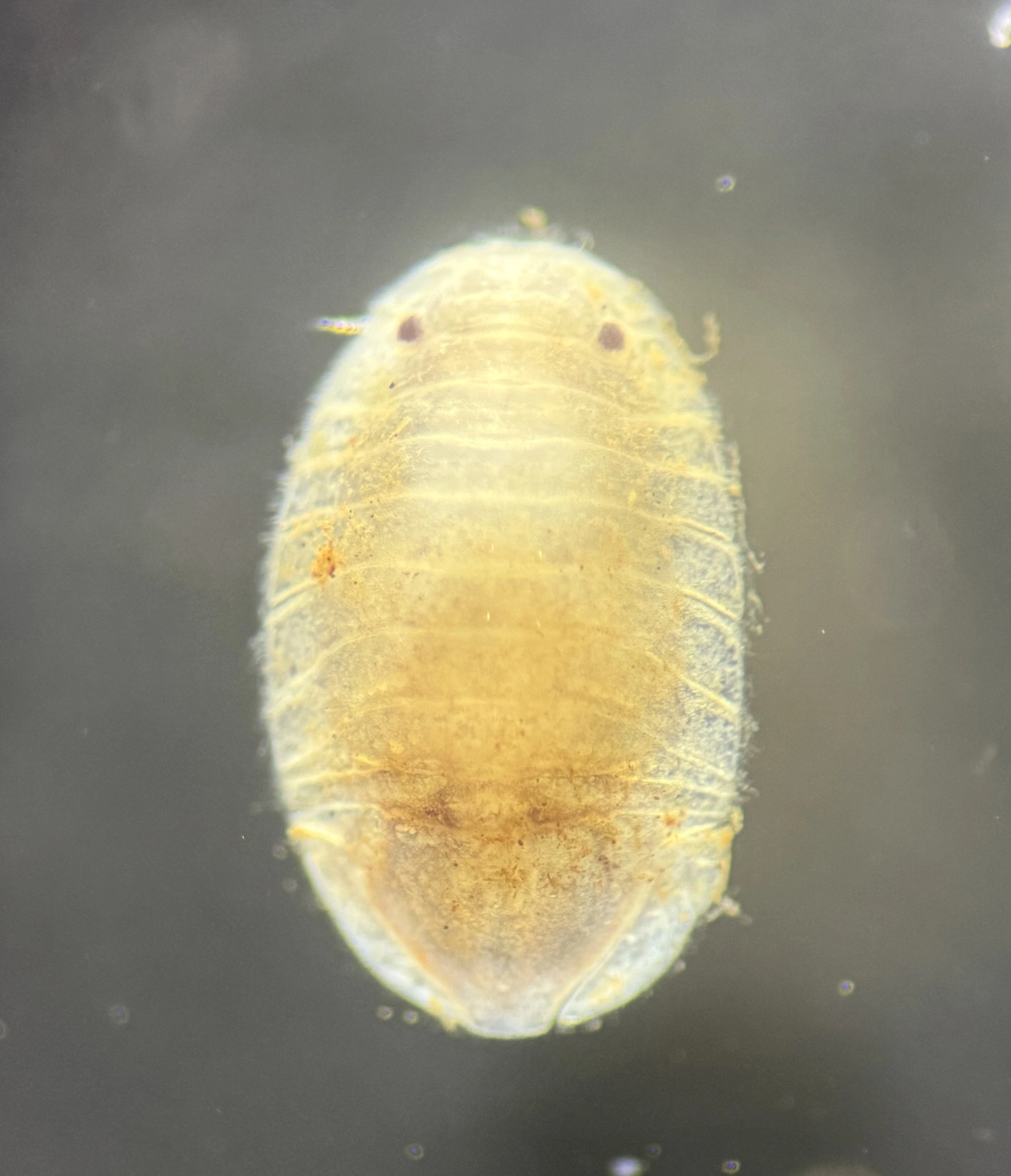
The sightings are in two freshwater locations that in the not-too-distant past would've been littoral zones in brackish or saltwater habitat. Here's a screencap of the
map from inaturalist showing their sightings:

You can see right from it though that there are two more inland locales spotted. One locale in
lake Okeechobee(also the
guy behind those sightings is pretty legitimate and has over 10k posts on inaturalist, mostly in Florida):

The other more inland locale is over in Philadelphia(The
guy behind these sightings is also seemingly pretty legitimate with over 5k posts):

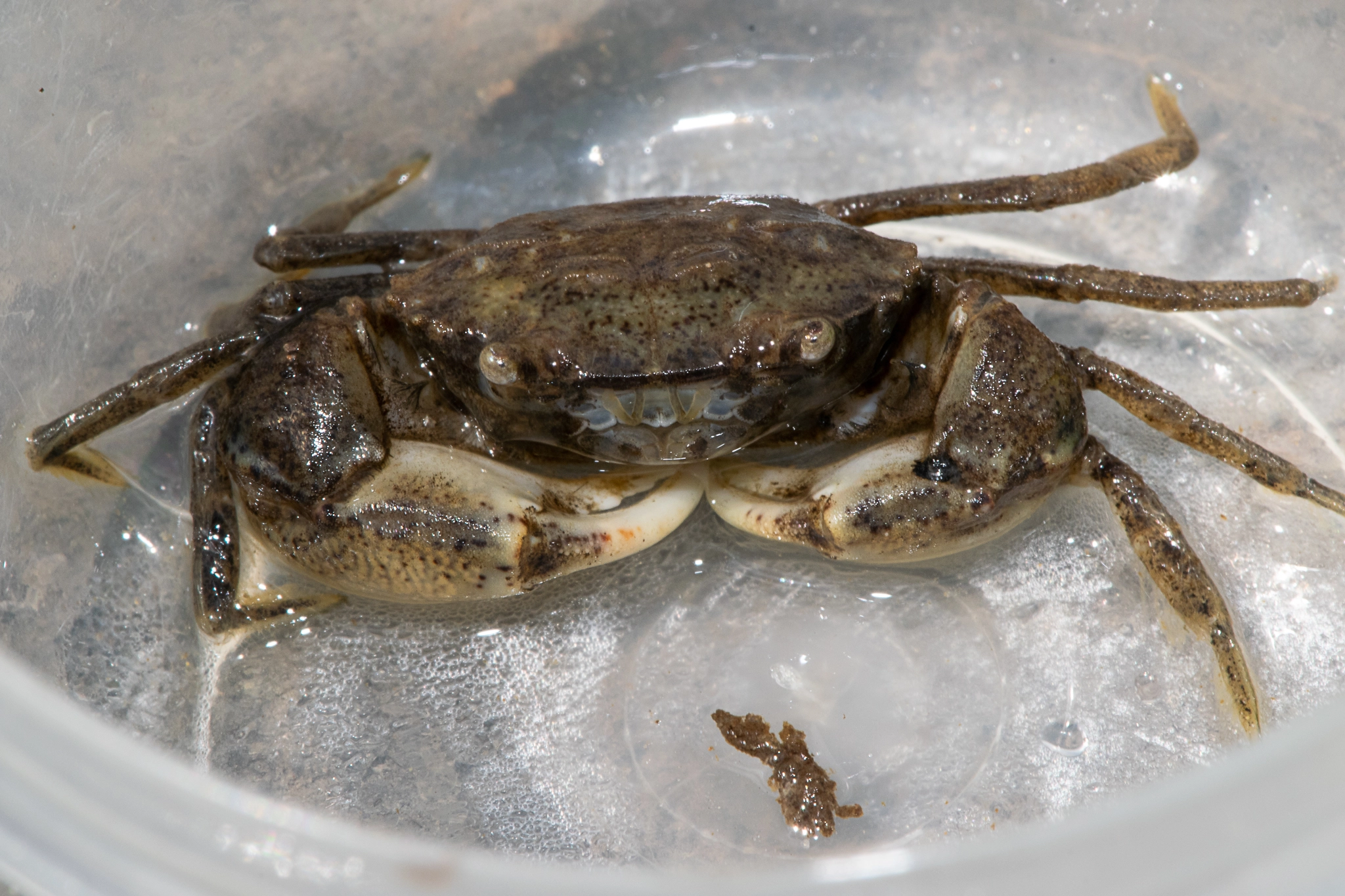
Now Philadelphia in its past used to be all salt marshes and that area today is still not very high above sea level. Similarly, Florida as a whole is built on marine limestones and at different periods of time in the past few million years has either been largely submerged or larger than it is today dependent on sea levels. In related, odd crustacean stuff. The only real, native freshwater crabs in the US that I'm aware of are part of locales in Texas of
white-tipped mud crab. Here's a picture of their sightings on inaturalist:

Also, a picture of a white-tipped mud crab:
I know from an evolutionary perspective that many kinds of saltwater species end up becoming freshwater ones when they end up trapped in their more inland locales. The idea being that over time what effectively became a salty lake becomes less and less salty over time as water flows in from rivers and out into the sea, allowing for a gradual shift for them to adapt. One issue though is that Lake Okeechobee, to my knowledge, was dry during the last ice age and certainly not a salty lake. This would suggest that these little isopods have migrated to this location much more recently. I would also think that this would be the case for the mud crabs too in their freshwater locales, but I'll get to that later. If this is the case then the isopods would also very likely be found along the
Caloosahatchee river as this river has a large tidal estuarine zone and connects to lake Okeechobee. This connection however is very modern, happening via a canal network made in the late 19th century that connected one of the lakes feeding the river to lake Okeechobee but also included the removal of some obstructions and thusly drained the wetlands and some of the lakes feeding it.
From what I was looking into before too, depending on the water levels of lake Okeechobee the canal system that connects to it can and will flow back into it and an
article has been written on at least St. Lucie river's connecting canals doing this. It may just be the case that this isopod is an early colonizer and if time goes on then even more saltwater species will adapt to fill in niches available, like this isopod seemingly has as there are absolutely no water-penny beetle species in Florida. It may also be possible that St. Lucie is the originator of these isopods, or that any of the more straight canals directly connecting lake Okeechobee are.
As for the mud crabs, I do have to wonder why they're only really in one general freshwater area of the US and not others, as they are found all over the Eastern half of the US's coast. I can't help but imagine that they might hint at some odd geological history that I can't find anything on so far where the area they're in was once much saltier. Just using NOAA's
bathymetry map, which also shows elevation on land, places like lake Texoma are over 180m above sea level. However, said lake is also about 180-190m deep. Further, the
Red River that it drains into once had a massive, natural log dam that was later destroyed. This log dam was known as "
The Great Raft" and is thought to have been around a thousand years old by the time of its destruction. I wouldn't be surprised if, in fact I hypothesize, that the log jam was started from some kind of tsunami that flowed up the Red river and ended up doing something like what I hypothesize for the isopods before. This is all highly speculative though and the conventional theory that I found is that more normal flooding was the cause of the formation of the log jam.
I also really want to collect these guys. I feel like I have some kind of addiction.


