Hiram Maxim had authored several books on the topic, and in a more historical context, Ian from Forgotten Weapons co-authored another book. i dislike the man personally, but the book itself is a good reference.
the two primary concepts of suppressor/silencer/moderator design are to capture and slow the expanding gasses from the shot. how this happens varies significantly. gasses that expand slowly do not rapidly displace air in the same way as a bare muzzle and this slower expansion into a container greatly retards and redirects the sound. sound is a pressure wave of expanding gas (typically air, but can be any fluid) that happens in a distinct time period. altering the time period, the area of the pressure wave, the amplitude or frequency of that wave, or attenuating it with materials that can absorb, deflect, reflect, or modify it will alter the report of a shot enough to either make it unrecognizable, or literally quiet it to the point of irrelevance.
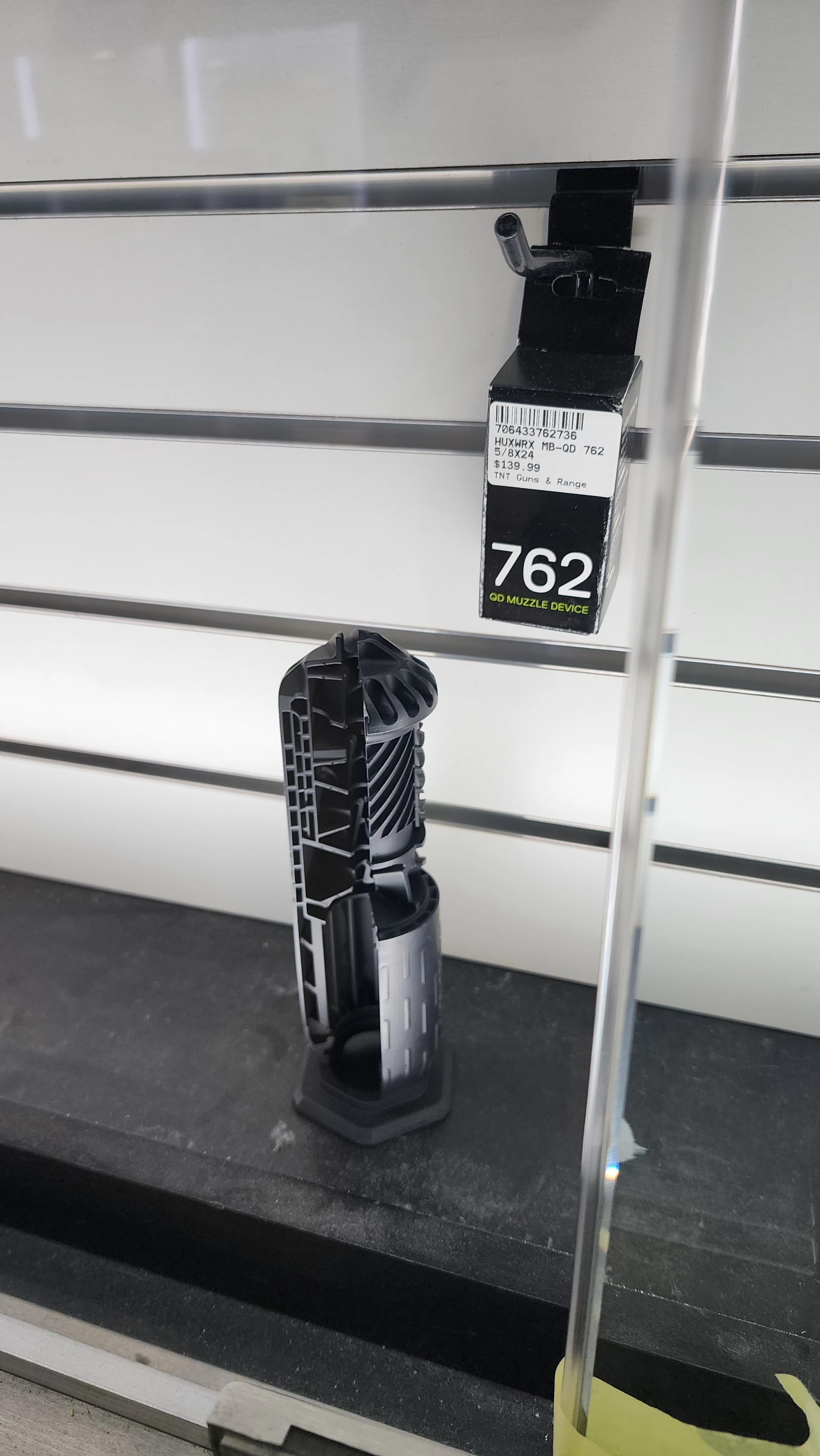
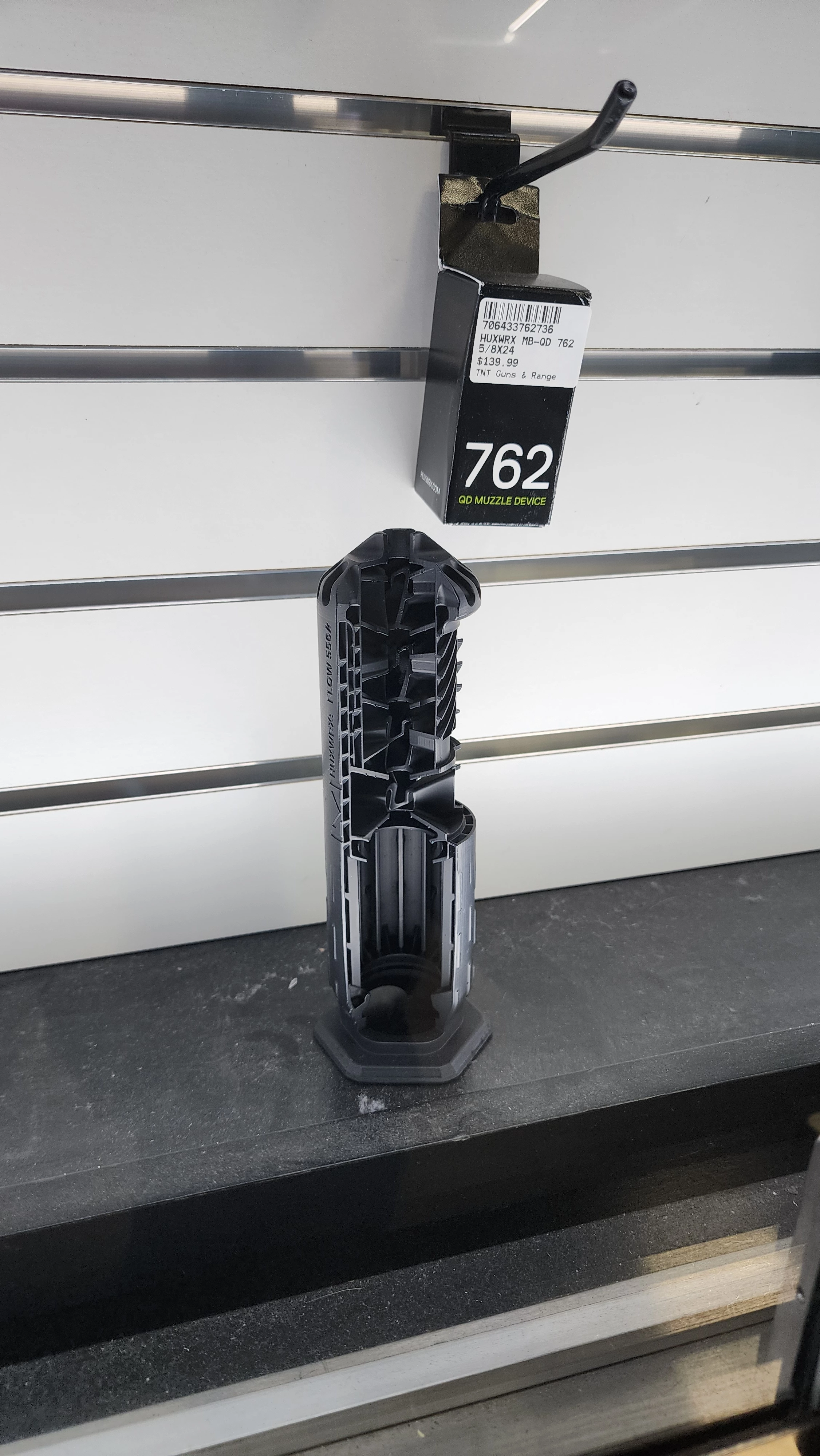
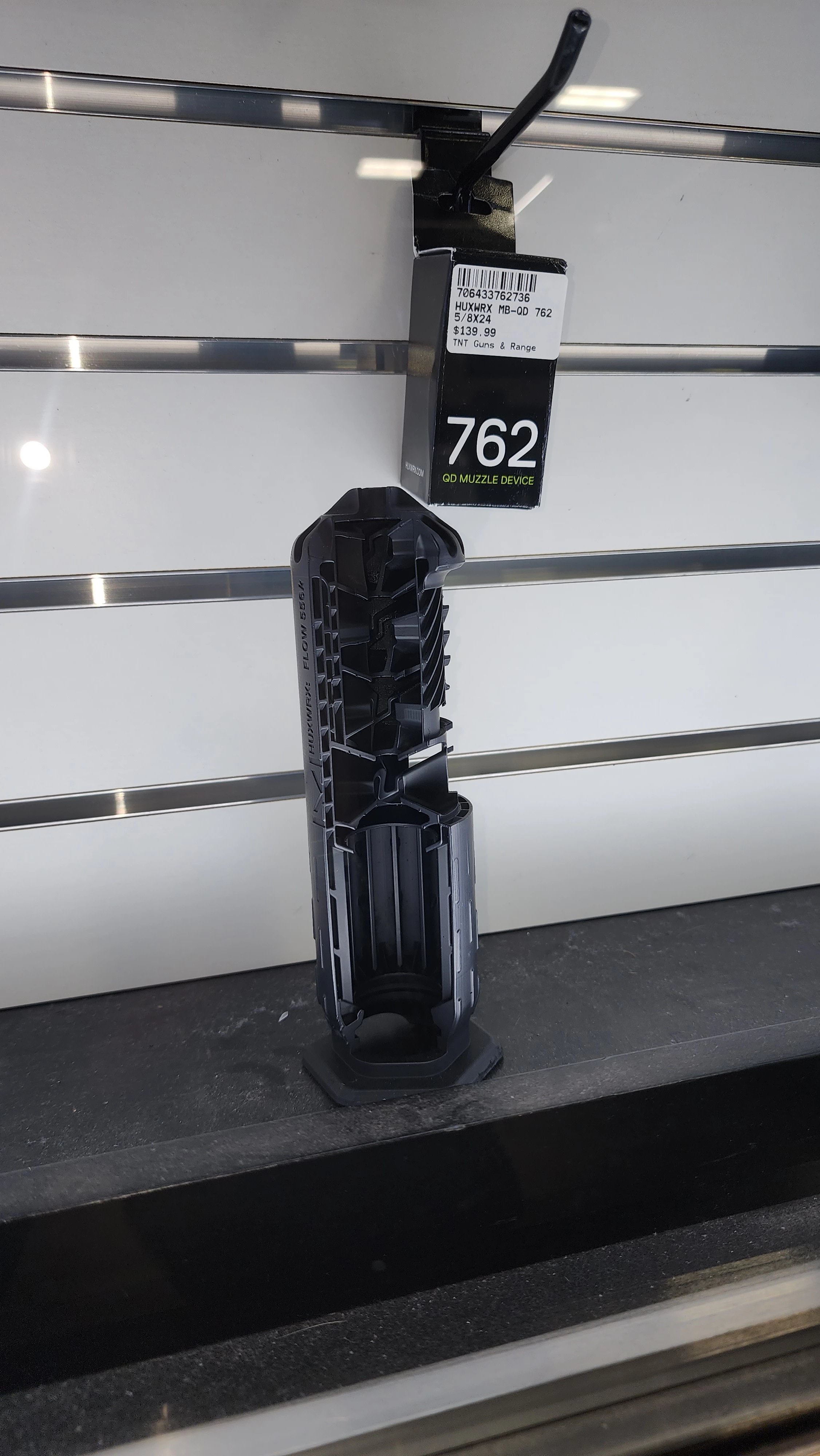
the simplest suppressor is a tube that is attached to a muzzle with a blast chamber to absorb bulk gas expansion, and a series of chambers with limited perforations perpendicular to the travel direction of the bullet that forces expanding gases to take a long circuitous route to lower pressure atmosphere (outside the suppressor typically). gasses that are drawn by the traveling bullet should be drawn into additional smaller chambers that capture this expanding gas, slowing and cooling until it exits. a suppressor that has features that can vent gases in a strange direction can also alter the report, and suppressors that feature perforations or absorbing/reflective materials can alter the pitch. there isn't a requirement for the suppressor to even be in contact with the barrel either, a sleeve surrounding a perforated barrel such that gasses are allowed to "bleed" into the suppressor sleeve (as the H&K MP5-SD or the De Lisle carbine) works just as well.
at the muzzle, some sort of concentric dimple should be present to ensure that the gases that exit after the bullet do not impart a moment on the rear of the bullet by pushing the gas in some direction that isn't equally behind the bullet's base.
by considering powder selection, bullet selection, baffle design, suppressor material, velocity of the bullet, and the various paths that gas can expand or exit, you can greatly moderate the sound of the shot to whatever you like. there is a tendency for large suppressors to be more functional than smaller suppressors as long as there is care to avoid "ringing" or creating unwanted sympathetic harmonics.