 Welcome to the last real website on the Internet.
- Joined
- Jul 18, 2017
With a major winter blast about to come this week, I figure now is the perfect time to put a quick little guide on what you need, and what is good.
Like most severe storms, Winter Storms come with the usual situations of downed trees cutting off access to areas and shutting off the power. Standard rules apply. Make sure you have plenty of non-perishable food and bottled water. Where winter storms differ from regular storms is that disruption can be far more widespread and long lasting. After a Hurricane its relatively easy to leave your house in search of supplies. Emergency response also tends to recover very quickly, so while not having power sucks its not a life threatening situation.
This is NOT the case for Severe Winter Storms. The disruption can last for more then a week with roads impassable, and power cannot be restored quickly because the trucks are unable to even access the lines. Emergency response will also be delayed or downright non existent for many days after the event ends. What becomes annoying in the summer can be life threatening in the winter.
EMERGENCY HEAT
One of the first thing on your prep list is a way to heat your home without power. There are a plethora of options from Propane to Diesel fueled heaters. What is Important to note is that many heaters on offer through hardware stores and Amazon are NOT FOR INDOOR USE, or for use over extended periods of time! There is no sense in avoiding death by freezing if instead you die of Carbon Monoxide poisoning.
Most people tend to go with Propane and there are some good options out there, but you need to be careful as very few of them rated for indoor use. Make sure it looks like pic rel and has "feet" for free standing.

The downside to using propane however is two fold. It does not burn slow, and its difficult(and dangerous) to "stock up" on Propane unless you have a dedicated tank at your house. Which is why I generally don't reccomend using Propane for this purpose. The far superior choice is Kerosene.
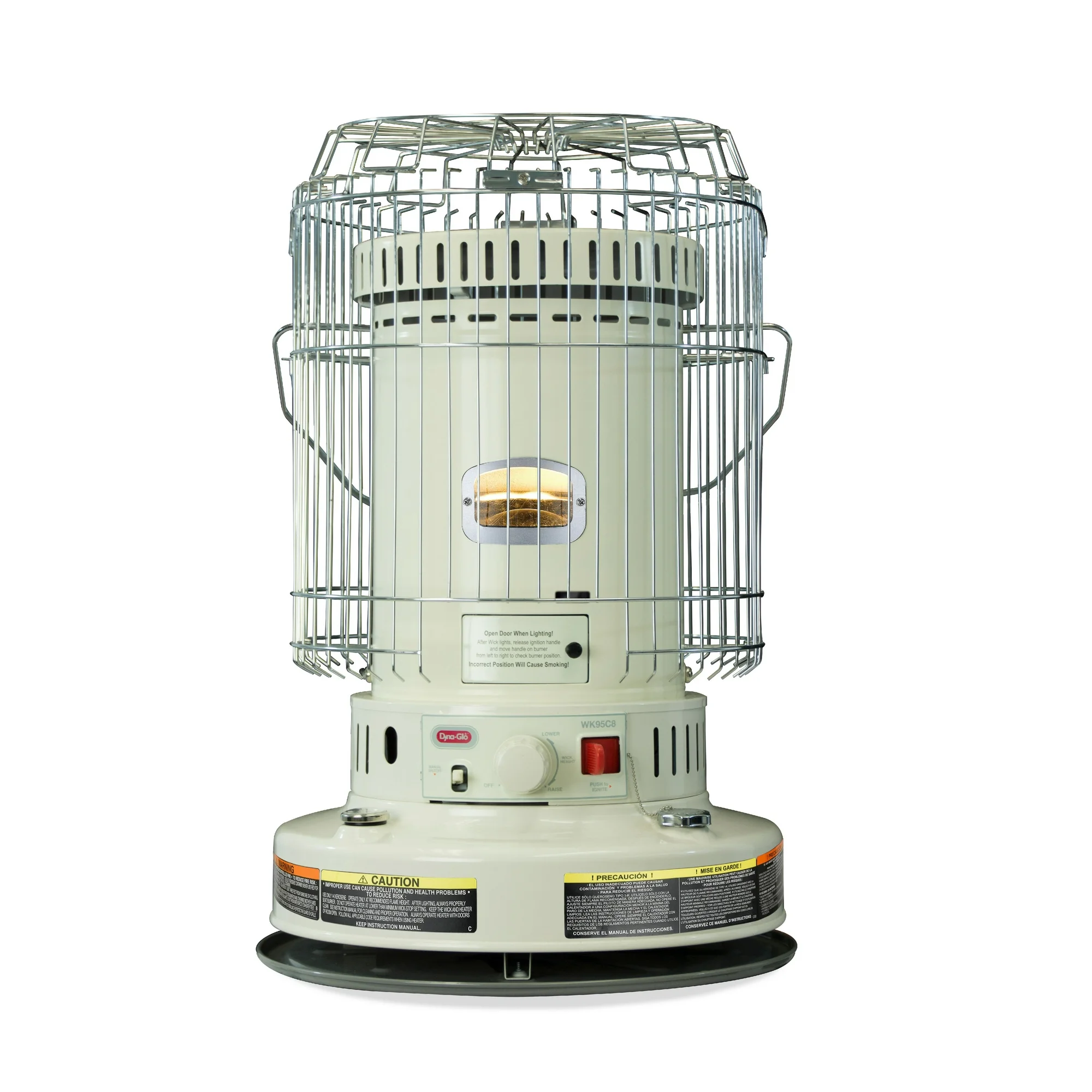
Kerosene Heaters, especially anything from Dyna-glow have the added benefit of working "right out of the box". It is important to remember though that it uses a fiber "wick", so it needs to be fueled up to full for 30 minutes before you light it the first time. Also important to NEVER let it burn on empty, because after the fuel is gone the wick will start burning. And once your wick is gone you will have to replace it. A very obnoxious thing to do, and impossible if you don't have a replacement wick and are snowed in.
Barring that however, they are relatively inexpensive and burn far more efficiently then Propane. Additionally, the way Kerosene burns means that if you don't have an efficient burn going on you will know. No invisible/odorless gas emissions with them when they aren't working properly. Which is one thing people don't like about them. They do smell a bit, but modern ones burn pretty clean from what I have discovered. As a bonus, If you take the safety cage off, the top of the heater doubles as a hot plate that you can use to boil water and make pasta or coffee on top of while the power is out.
Most Gas stations will carry propane, and quite a few even in urban areas will also have a Kerosene tank. Just make sure it is rated K-1 and is completely clear. Don't be putting dyed Boat Fuel in your heater. If you do go the Kerosene route, it is important to remember to get a BLUE JUG!
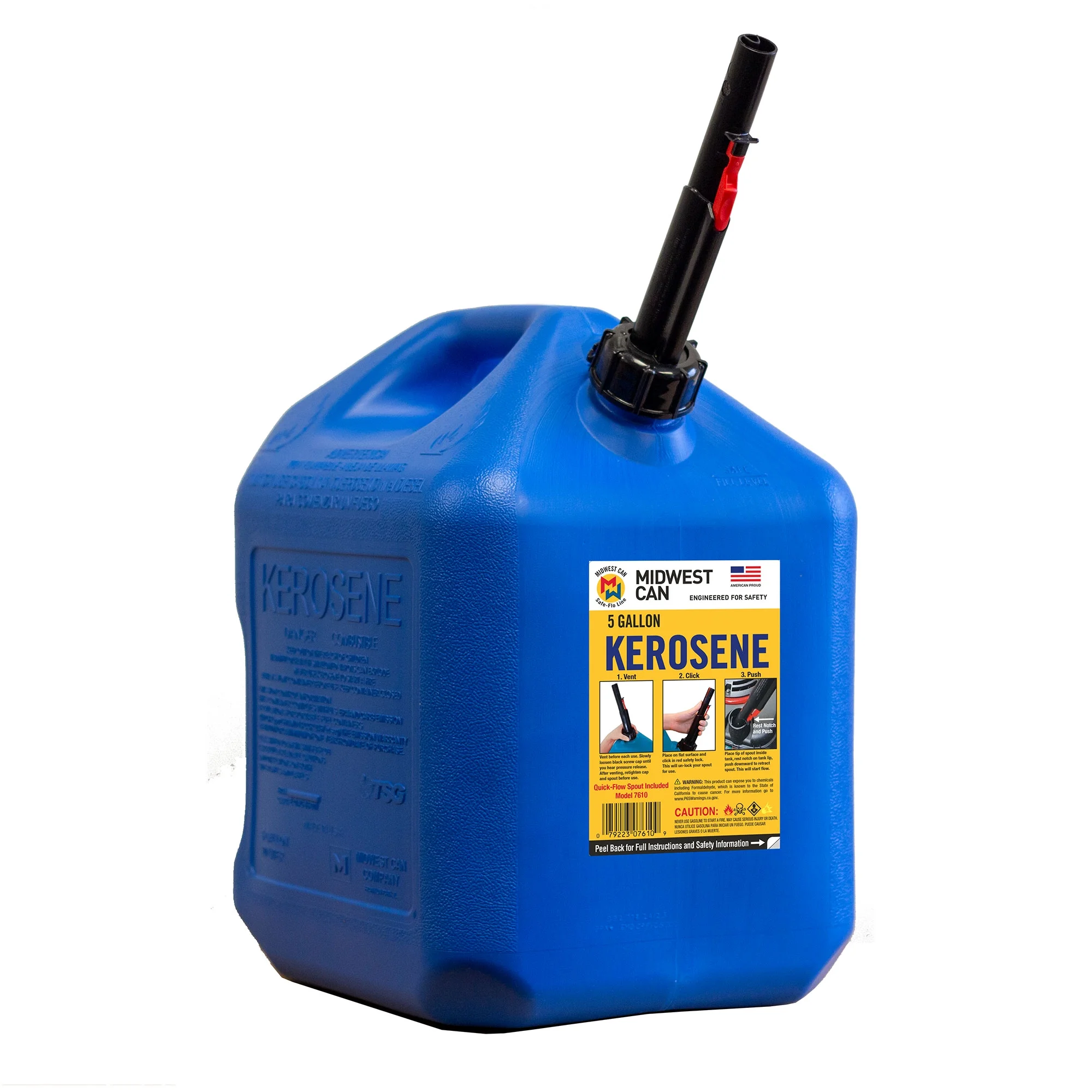
There is a HUGE safety reason for this. Remember the color codes!
RED = GASOLINE
BLUE= KEROSENE
GREEN= DIESEL
TAN= POTABLE WATER
If you put Gasoline in a Kerosene heater, you are going to set your house on fire. Likewise if you put Kerosene in your car or lawn mower, you will destroy the engine. I've seen idiots put Kerosene in red jugs, and I just know one of them has gotten their Kerosene mixed up with their Gasoline because of it.
DRIVING DURING AND AFTER STORM
First of all, don't do it. But if for whatever reason you HAVE to do it, you should never set out in your car without the following items.
1. A metal shovel that move snow and break ice.
2. Warm clothes with waterproofing and boots/gloves and a blanket
3. A case of water.
4. Food to last you 3 days, even if it's just jerky, trailmix, a loaf of bread and a tub of peanut butter.
5. A Bag of Kitty Litter, preferably the clay aggregate kind.
6. Tow straps.
The Metal Shovel is obvious, but it HAS to be metal. If your car gets stuck in the ice/snow combo, you are not getting it free with a plastic shovel.
Warm clothes, food and water are also obvious, but needs to be stated anyway. Often times what has killed people in their cars during winter events is after getting stuck it can be days before you are even found. Warm clothing and food will help prevent you from freezing to death even after your car runs out of Gasoline to run your heater. Same with having the blanket.
The Kitty Litter is a bit more esoteric, but often times when your are stuck its because your car can't get traction with the road. If you can get enough foreword momentum you can start moving again. Using your shovel, clear space in front of your car. Then lay down the kitty litter underneath the tires and a few feet in the direction of travel. The agregates will break up the ice and snow as well as give your tires friction to start moving foreword.
The Tow straps, are again obvious. A helpful guy in a pickup truck may come by if you are stuck in a ditch or unable to make it up a hill. Make sure you when you attach them you attach them to METAL UNDERCARRIAGE. You hook those bitches to your front or back bumper and try getting pulled that bumper is going to come right the fuck off.
CLOTHING
Ironically, this is a situation where "more" does not always mean "better". In general you will need three different layers while operating outside in the snow, or inside with no heat.
They are
1. Skintight moisture wicking underlayer
2. Insulated middle layer
3. Waterproof outer layer
Your body is very good at keeping your thermally regulated. The enemy in cold weather is moisture. Either moisture getting in from outside your clothes, or your own sweat.
Moisture regulating under clothes that cover you from your neck down your ankles are essential. Their purpose is not to be warm, but in actuality its to immediately soak the sweat up off your skin and transfer it outside into the thermal layer.
For this, oftentimes cold weather gear has your insulated layer AND your waterproof layer in one handy dandy package.
It may also seem counter intuitive, but that is pretty much all you really need. Those three layers. A common mistake people make is to have extra layers on top of their under layer. This is BAD, and will ironically cause you to freeze to death because it will trap moisture close to your body and start leeching your body heat. Having done field exercises in February during the German Winter, I can confirm that as counter intuitive as it may seem wearing these three layers is warmer then if you try and put extra sweaters and shit on.
When it comes to Boots, again, same rules apply. Moisture is the enemy. Your boots must be water proof. Additionally, you need to have TWO PAIRS of socks on. A moisture wicking first layer just like your under clothes, and then a thermal layer.
My go to recommendation is a pair of thermal socks and then if needed a second pair of basic wool socks. Though most modern winter wear socks tend to combine the two so you can probably get away with just using the one pair, provided its fit for purpose. Boot liners can also help, but again its important to remember to not overload. If your feet start sweating profusely you run a whole risk of issues. From Trench Foot to full on frost bite.
Same rules again for your head. Make sure its covered. Usually your coat can do it, but if not make sure you have good full coverage to include your ears.
Hope this was helpful and informative!
Like most severe storms, Winter Storms come with the usual situations of downed trees cutting off access to areas and shutting off the power. Standard rules apply. Make sure you have plenty of non-perishable food and bottled water. Where winter storms differ from regular storms is that disruption can be far more widespread and long lasting. After a Hurricane its relatively easy to leave your house in search of supplies. Emergency response also tends to recover very quickly, so while not having power sucks its not a life threatening situation.
This is NOT the case for Severe Winter Storms. The disruption can last for more then a week with roads impassable, and power cannot be restored quickly because the trucks are unable to even access the lines. Emergency response will also be delayed or downright non existent for many days after the event ends. What becomes annoying in the summer can be life threatening in the winter.
EMERGENCY HEAT
One of the first thing on your prep list is a way to heat your home without power. There are a plethora of options from Propane to Diesel fueled heaters. What is Important to note is that many heaters on offer through hardware stores and Amazon are NOT FOR INDOOR USE, or for use over extended periods of time! There is no sense in avoiding death by freezing if instead you die of Carbon Monoxide poisoning.
Most people tend to go with Propane and there are some good options out there, but you need to be careful as very few of them rated for indoor use. Make sure it looks like pic rel and has "feet" for free standing.
The downside to using propane however is two fold. It does not burn slow, and its difficult(and dangerous) to "stock up" on Propane unless you have a dedicated tank at your house. Which is why I generally don't reccomend using Propane for this purpose. The far superior choice is Kerosene.
Kerosene Heaters, especially anything from Dyna-glow have the added benefit of working "right out of the box". It is important to remember though that it uses a fiber "wick", so it needs to be fueled up to full for 30 minutes before you light it the first time. Also important to NEVER let it burn on empty, because after the fuel is gone the wick will start burning. And once your wick is gone you will have to replace it. A very obnoxious thing to do, and impossible if you don't have a replacement wick and are snowed in.
Barring that however, they are relatively inexpensive and burn far more efficiently then Propane. Additionally, the way Kerosene burns means that if you don't have an efficient burn going on you will know. No invisible/odorless gas emissions with them when they aren't working properly. Which is one thing people don't like about them. They do smell a bit, but modern ones burn pretty clean from what I have discovered. As a bonus, If you take the safety cage off, the top of the heater doubles as a hot plate that you can use to boil water and make pasta or coffee on top of while the power is out.
Most Gas stations will carry propane, and quite a few even in urban areas will also have a Kerosene tank. Just make sure it is rated K-1 and is completely clear. Don't be putting dyed Boat Fuel in your heater. If you do go the Kerosene route, it is important to remember to get a BLUE JUG!
There is a HUGE safety reason for this. Remember the color codes!
RED = GASOLINE
BLUE= KEROSENE
GREEN= DIESEL
TAN= POTABLE WATER
If you put Gasoline in a Kerosene heater, you are going to set your house on fire. Likewise if you put Kerosene in your car or lawn mower, you will destroy the engine. I've seen idiots put Kerosene in red jugs, and I just know one of them has gotten their Kerosene mixed up with their Gasoline because of it.
DRIVING DURING AND AFTER STORM
First of all, don't do it. But if for whatever reason you HAVE to do it, you should never set out in your car without the following items.
1. A metal shovel that move snow and break ice.
2. Warm clothes with waterproofing and boots/gloves and a blanket
3. A case of water.
4. Food to last you 3 days, even if it's just jerky, trailmix, a loaf of bread and a tub of peanut butter.
5. A Bag of Kitty Litter, preferably the clay aggregate kind.
6. Tow straps.
The Metal Shovel is obvious, but it HAS to be metal. If your car gets stuck in the ice/snow combo, you are not getting it free with a plastic shovel.
Warm clothes, food and water are also obvious, but needs to be stated anyway. Often times what has killed people in their cars during winter events is after getting stuck it can be days before you are even found. Warm clothing and food will help prevent you from freezing to death even after your car runs out of Gasoline to run your heater. Same with having the blanket.
The Kitty Litter is a bit more esoteric, but often times when your are stuck its because your car can't get traction with the road. If you can get enough foreword momentum you can start moving again. Using your shovel, clear space in front of your car. Then lay down the kitty litter underneath the tires and a few feet in the direction of travel. The agregates will break up the ice and snow as well as give your tires friction to start moving foreword.
The Tow straps, are again obvious. A helpful guy in a pickup truck may come by if you are stuck in a ditch or unable to make it up a hill. Make sure you when you attach them you attach them to METAL UNDERCARRIAGE. You hook those bitches to your front or back bumper and try getting pulled that bumper is going to come right the fuck off.
CLOTHING
Ironically, this is a situation where "more" does not always mean "better". In general you will need three different layers while operating outside in the snow, or inside with no heat.
They are
1. Skintight moisture wicking underlayer
2. Insulated middle layer
3. Waterproof outer layer
Your body is very good at keeping your thermally regulated. The enemy in cold weather is moisture. Either moisture getting in from outside your clothes, or your own sweat.
Moisture regulating under clothes that cover you from your neck down your ankles are essential. Their purpose is not to be warm, but in actuality its to immediately soak the sweat up off your skin and transfer it outside into the thermal layer.
For this, oftentimes cold weather gear has your insulated layer AND your waterproof layer in one handy dandy package.
It may also seem counter intuitive, but that is pretty much all you really need. Those three layers. A common mistake people make is to have extra layers on top of their under layer. This is BAD, and will ironically cause you to freeze to death because it will trap moisture close to your body and start leeching your body heat. Having done field exercises in February during the German Winter, I can confirm that as counter intuitive as it may seem wearing these three layers is warmer then if you try and put extra sweaters and shit on.
When it comes to Boots, again, same rules apply. Moisture is the enemy. Your boots must be water proof. Additionally, you need to have TWO PAIRS of socks on. A moisture wicking first layer just like your under clothes, and then a thermal layer.
My go to recommendation is a pair of thermal socks and then if needed a second pair of basic wool socks. Though most modern winter wear socks tend to combine the two so you can probably get away with just using the one pair, provided its fit for purpose. Boot liners can also help, but again its important to remember to not overload. If your feet start sweating profusely you run a whole risk of issues. From Trench Foot to full on frost bite.
Same rules again for your head. Make sure its covered. Usually your coat can do it, but if not make sure you have good full coverage to include your ears.
Hope this was helpful and informative!
Last edited:


