That's not really a psyop or something that got memoryholed, that's just a trend that got ran into the ground.
You can see something similar with psychedelic design. It first originated in about 1966 with the Big Five San Francisco poster designers like Victor Moscoso and Wes Wilson, mostly making posters for for music/festivals or as protest art
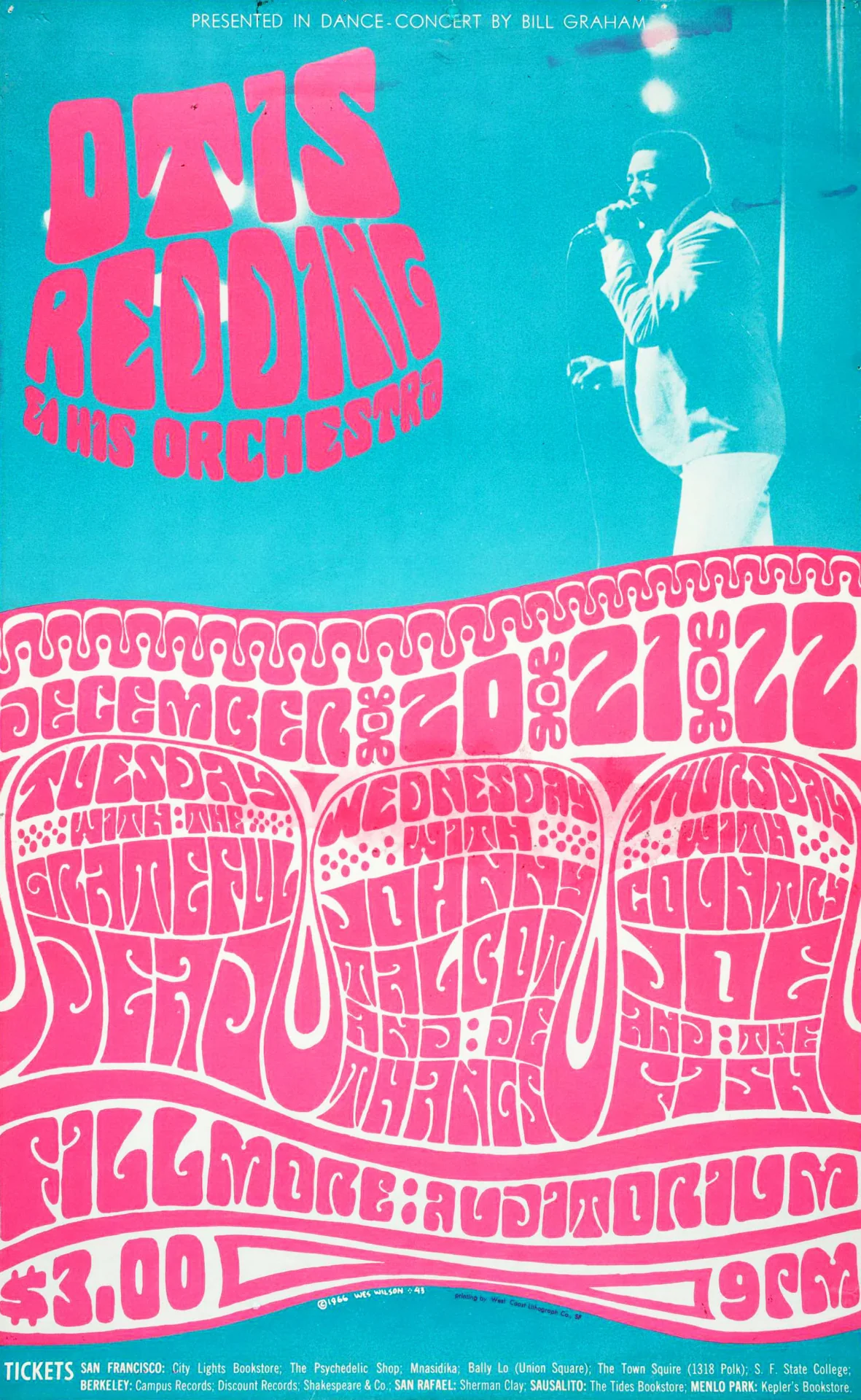
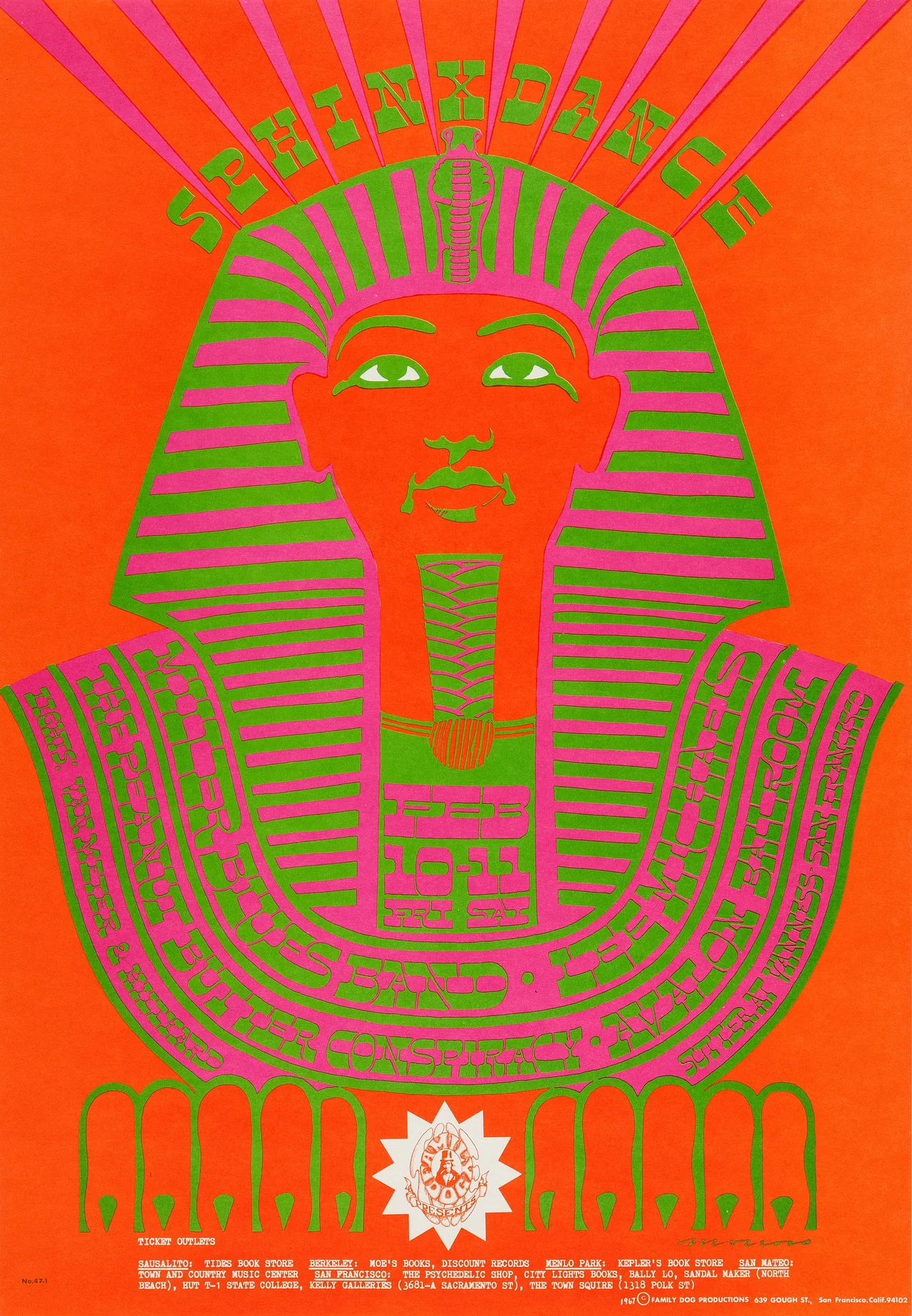


It's basically a style that lifts heavily from Art Nouveau. The flowing, liquid designs were a dramatic departure from the ordered grid based International Style that dominated graphic design at the time, and resonated with the growing counter cultural movement, backlash against modernism and the "Victorian Revival" popular at the time. Also the print industry in general was undergoing a revolution with offset lithography and fluorescent dyes making these sorts of styles possible to mass produce cheaply.
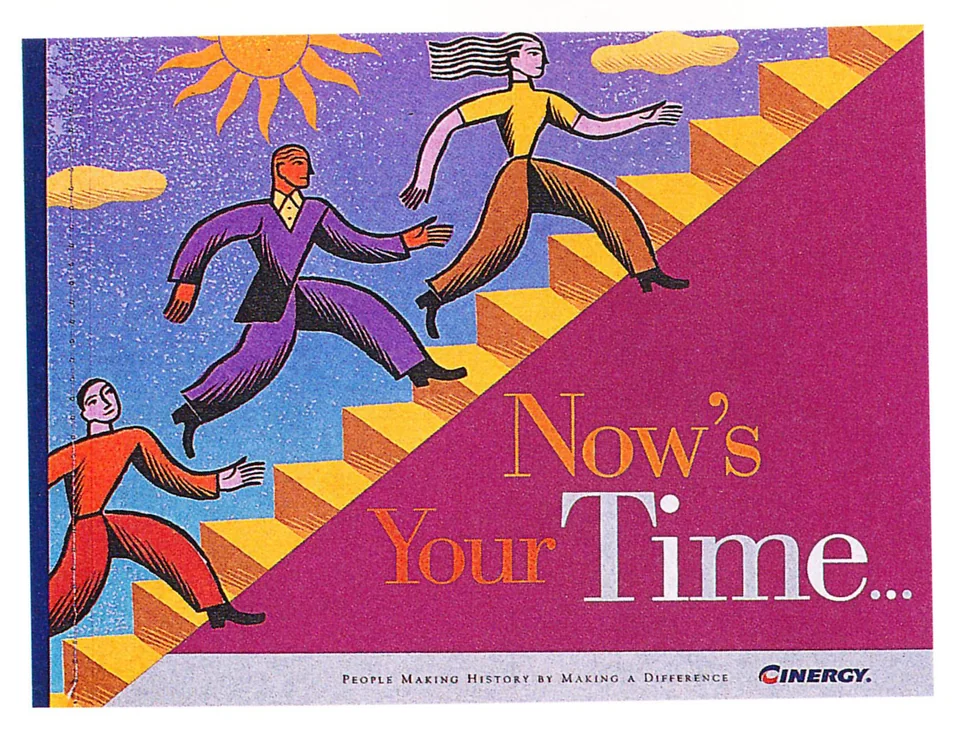
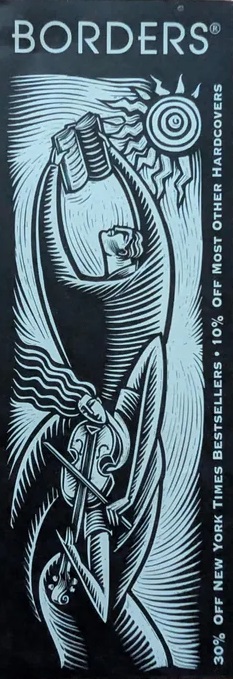
By 1970 the trend had caught on enough that large organisations were commissioning designers to create psychedelic adverts


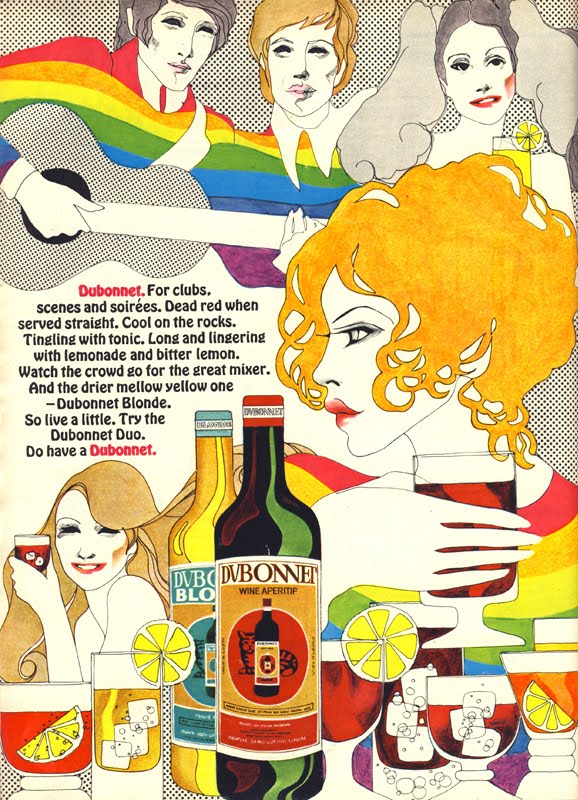
Don't forget a lot of would-be artists end up doing commercial work. You can kind of see that these designs are slightly neutered/diluted compared to the really "out there" early examples, because those squares just don't get what the hip happening cats are all about, daddy-o. Very rapidly it started being kind of corny, so you see a shift back to the grid system (which never really went away) and a more heavy borrowing of structured geometrical shapes borrowing from art deco, with cut back nods to psychedlia in flowey flourished fonts

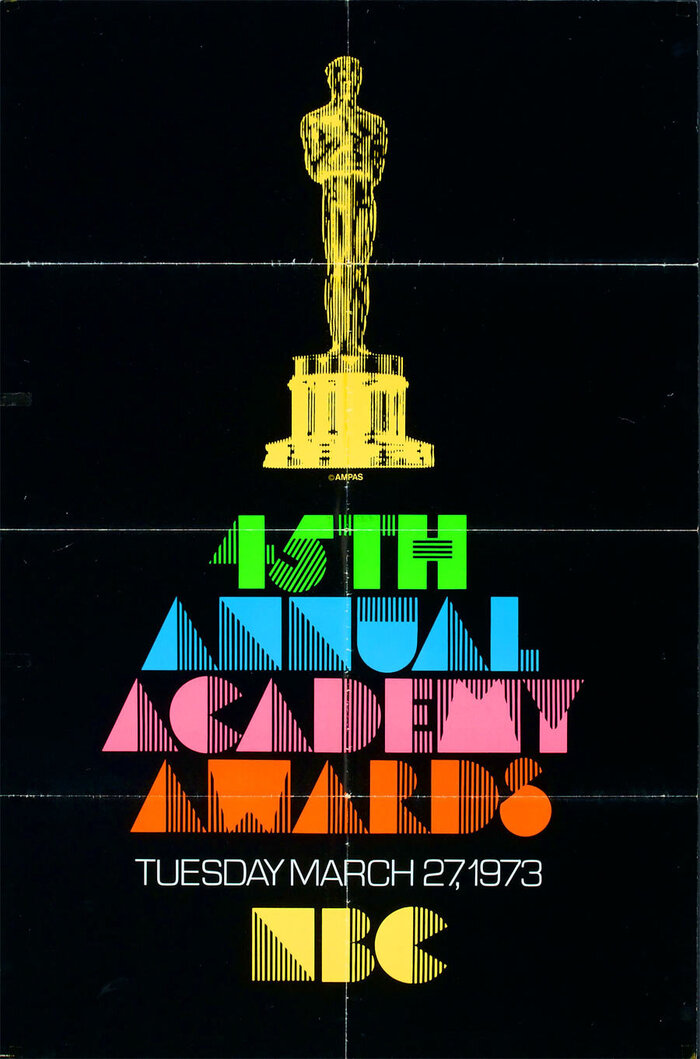

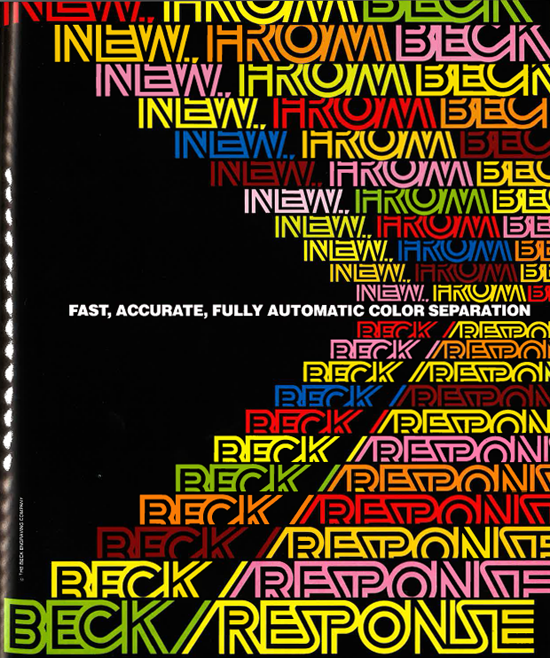

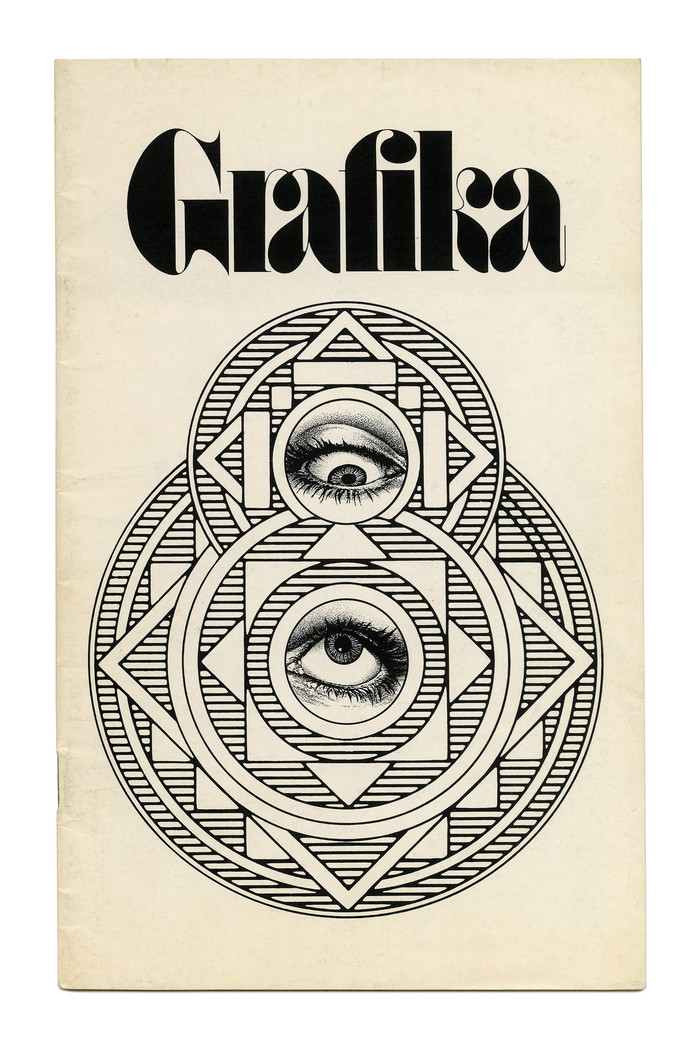
So the main "trend" pretty much ran its course within about 5-7 years, although lingered on for a while after. Plenty of design looked nothing like this, by the way, but at the same time plenty of recent design didn't look like Corporate Memphis.
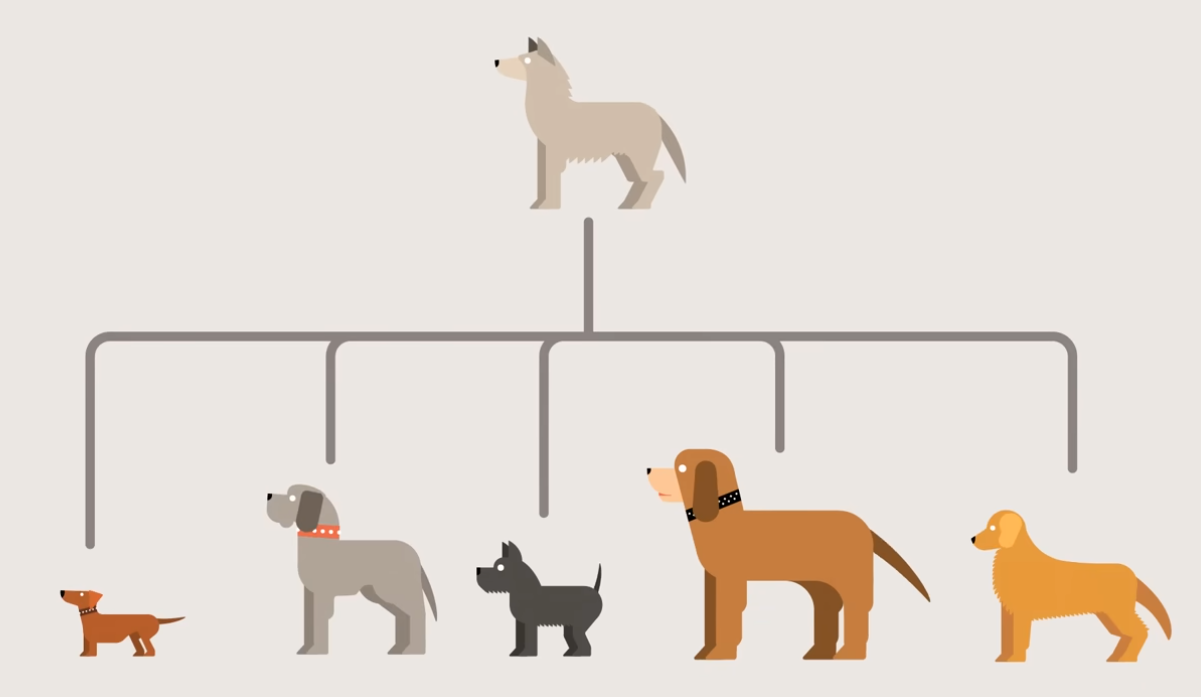
Flat design started taking off around 2010 as a response to then ubiquitous skeumorphism and Web 2.0 gloss. Rather than having chunky textured or glossy logos, which had caught on to try and make technology seem more "friendly", flat minimalism was the cutting edge because it stood out and looked different. So you get stuff like Windows Metro. Also, HTML5 started really taking off and around 2011 or so browsers could reliably display SVGs inline and even animate them - also smartphones and tablets gaining popularity meant there was now a greater emphasis on responsive design - vectors scale more reliably with faster load times. There was also a renewed interest in midcentury designers like Charley Harper, thanks to Mad Men. You can see the confluence of these factors going on with stuff like the kurzgesagt channel (screenshot from their first video in 2013), and various infographics that started cropping up around then. The real turning point came around 2017 when Hinge hired an artist who took inspiration from said midcentury designer Charley Harper. "Humaaans" was also a free design library launched around this point.
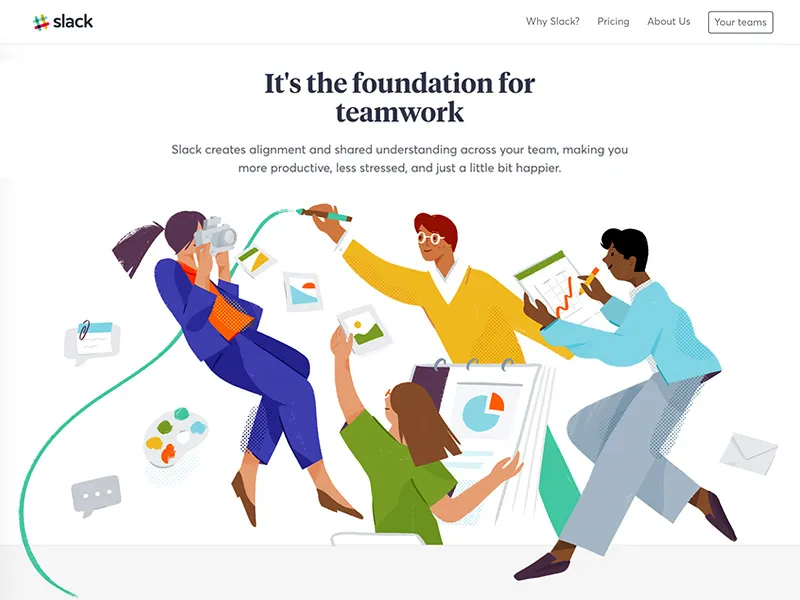
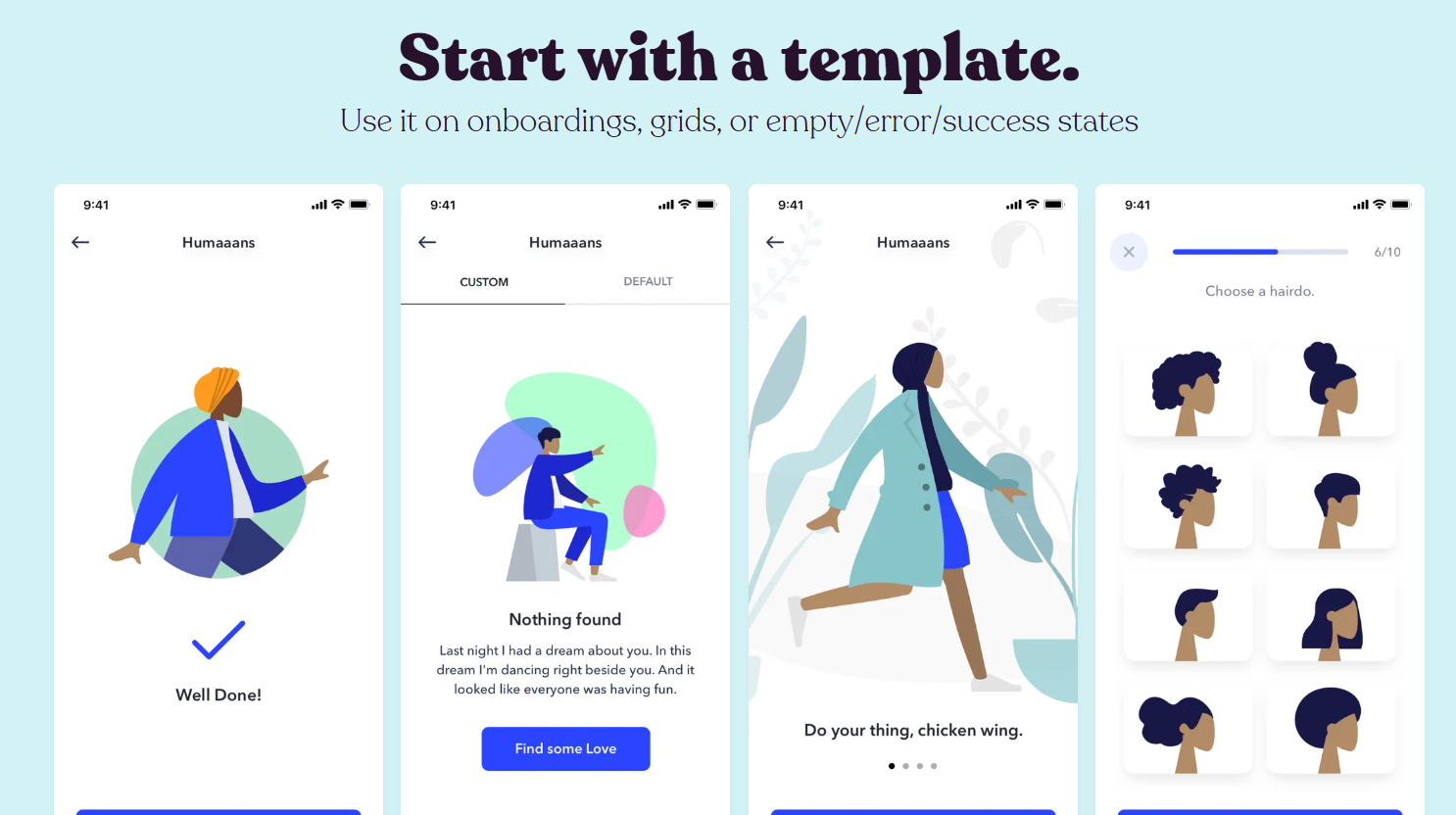
The common whimsical graphic up until about then was a riff on the 1930s rubberband style (think like Betty Boop, and then think about how many pizza places you saw with a happy pizza slice with a face and arms and legs drawn in that style). This was becoming a bit played out, but meanwhile the CalArts noodle arm style was increasingly popular in animation. So this all sort of merged together to create Facebook's Alegria design language as part of their rebrand (also in 2017). You'll actually note a bit of texture creeping back in as by this point flat design with completely solid colours was a bit passé, and risograph printing had grown in popularity in trendy art circles (hence grainy gradients)


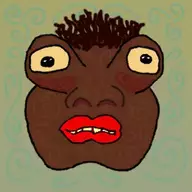
The unnatural skintones were great for implying diversity without being controversial, and the weird proportions were helpful for fitting figures into the tight compositions on things like Facebook banners (
genuinely a stated rationale). This particular art style is also
really easy to replicate, especially with platforms like
Blush meaning you can just drag-and-drop to make your own corporate memphis Frankenstein. So it got everywhere, and people got sick of it. Rather than being an innovative new design style, it was now the basic slop any company slapped on their website graphics - indeed, Facebook actually started retiring Alegria in 2020.
I feel like Corporate Memphis firmly died off after the pandemic, you don't tend to see it anywhere as frequently as you used to - so much like psychedelia it lasted about 5-7 years. It's not been "gone" long enough to be revived, so it's just something incredibly unfashionable. Kinda like 90s clip art was in the 2000s