Navigation
Install the app
How to install the app on iOS
Follow along with the video below to see how to install our site as a web app on your home screen.
Note: This feature may not be available in some browsers.
More options
Style variation
You are using an out of date browser. It may not display this or other websites correctly.
You should upgrade or use an alternative browser.
You should upgrade or use an alternative browser.
Fun facts!
- Thread starter Ass eating cunt
- Start date
-
Want to keep track of this thread?
Accounts can bookmark posts, watch threads for updates, and jump back to where you stopped reading.
Create account


- Joined
- Sep 2, 2023
The top quark was discovered in 1995, 22 years after its existence was predicted.After about half a century, we have found the top quark. This video was made before then, but the first 15-20 minutes should get you a good grasp on what this means. Otherwise if you want to sit for the whole thing, it’s a very interesting story.
Edit: this discovery, I believe, finishes the hunt for quarks.
https://youtube.com/watch?v=3xSUwgg1L4g

Yugica
kiwifarms.net
- Joined
- Mar 16, 2021
Wolves and ravens get along pretty well. Ravens will actually help lure wolves to wounded prey or carcasses they can't get into themselves and are often seen eating parts of the carcass not long after. They'll also play with wolf pups.
Ravens have often been seen interacting with wolves, especially pups and yearlings. These intriguing birds have been known to grab sticks and play tug-of-war with wolf puppies, to fly over young wolves with sticks and tease the small canines into jumping up to grab the sticks, and even to boldly pull the tails of wolves to initiate a reaction. Some scientists have theorized that individual ravens may even develop special bonds with individual wolves within a pack.

- Joined
- Sep 29, 2018
I am black!
Yugica
kiwifarms.net
- Joined
- Mar 16, 2021
Electric eels are actually more closely related to catfish than they are to true eels and are actually a kind of "knifefish" that have converged on the eel-like body plan. Electric eels also can communicate via their electric impulses as not only can they emit them but they can also detect electrical currents and potentials.
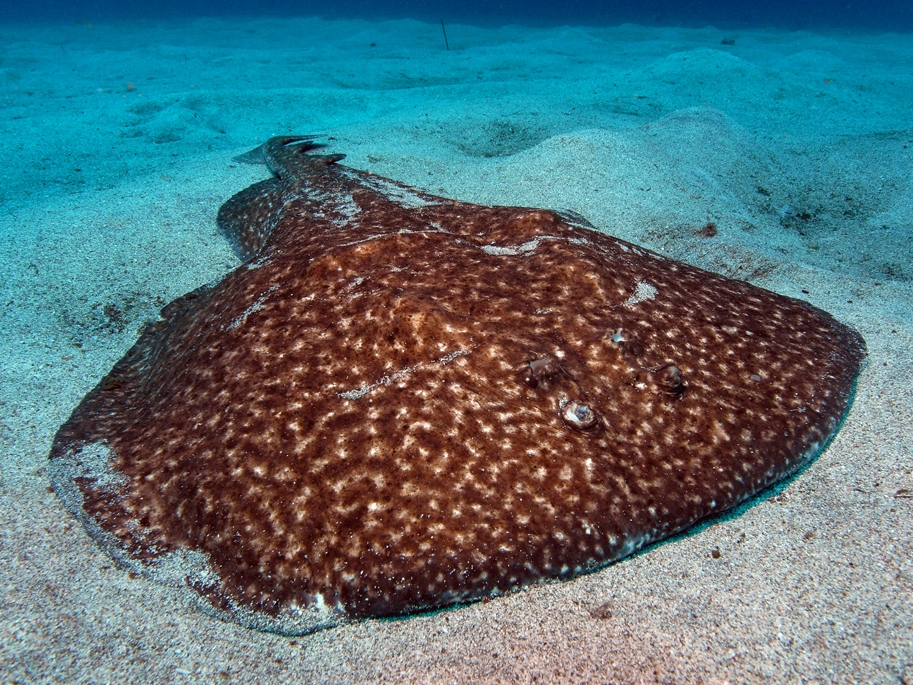
Their relatives also communicate via electric pulses, but the usage of electricity not only for communication but also as a means of attack or defense isn't limited to them or their group either. The electric rays(who are more closely related to sharks than eels) also use electricity. Beyond just that they also do not swim with their pectoral fins(the flat part of their body) and instead swim with their tail fin like most other fish.
Cuter than either the electric eels or the electric rays though are the elephantfish who use their electric pulses not so much for defense but communication. Beyond their odd appearance they also seem to have quite a great deal of intelligence for a fish species. Their usage of electricity helps them to navigate murky waters just like the electric eels as well.

People have also rigged up speakers to electrodes in aquariums with electric eels to hear some of their pulses, even when eating.Electric eels communicate using low electric organ discharges. This electricity is produced in pulses, and the duration of a pulse is much shorter than the time that lapses between each pulse. The frequency at which weaker electric pulses are produced varies between males and females, as well as across individuals.
Electric eels can detect these signals and interpret information about other individuals in the water. They can even convey information about their sex and sexual receptivity, which is important during the breeding season.
Cuter than either the electric eels or the electric rays though are the elephantfish who use their electric pulses not so much for defense but communication. Beyond their odd appearance they also seem to have quite a great deal of intelligence for a fish species. Their usage of electricity helps them to navigate murky waters just like the electric eels as well.

- Joined
- Mar 27, 2019
The top quark was discovered in 1995, 22 years after its existence was predicted.
Odd, because I only saw a story a few weeks ago about it being discovered. You’re right, though. Maybe CERN found it independently?
Yugica
kiwifarms.net
- Joined
- Mar 16, 2021
There's a lagoon in the country of Palau that is full of jellyfish that utilize photosynthetic algae to live. The jellyfish themselves don't have very strong stinging cells, so they're largely harmless and it's even an ecotourist destination where people can swim with them. At night the jellyfish descend to the lower portion of the lake to the choking, euxinic layer near the bottom to gather nutrients to supply their algae. Additionally the jellyfish are constantly twirling whilst they photosynthesize to better provide sunlight to their endosymbionts. There are also large anemones that prey upon the jellyfish near the edges of the lake. Here's a great video covering it, by a rather jolly boomer:
Last edited:
Yugica
kiwifarms.net
- Joined
- Mar 16, 2021
In the Amazonian river basin there exists the smallest species of manatee, the Amazonian Manatee. They're smoother and darker in color than their West Indian and West African cousins. Unlike their cousins though they preferably remain entirely in freshwater, often thousands of miles from the Ocean. For whatever reason when they're raised in captivity they don't get anywhere near as big as their wild counterparts and they haven't been successfully bred in captivity. My own personal hypothesis is that they actually need lots of shellfish in their diets, as most of what I've read suggests they're fed larger just plant matter.
Both of their cousins do actually eat quite a bit of shellfish and even if the Amazonian manatees eat shellfish for just part of the year, that'd still be very important for their development. Here's a picture of a baby Amazonian manatee.
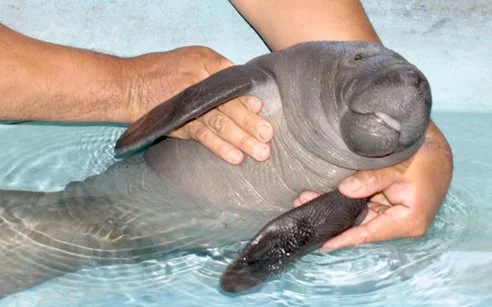
There's also a proposed different species of manatee in the Amazon that isn't widely accepted yet(as far as I know), the "Dwarf Manatee" which would grow to be a good portion smaller than their closest relatives. Also Amazonian and West Indian manatees make cute little chirps. Here's a West Indian manatee baby squeaking:
Both of their cousins do actually eat quite a bit of shellfish and even if the Amazonian manatees eat shellfish for just part of the year, that'd still be very important for their development. Here's a picture of a baby Amazonian manatee.
There's also a proposed different species of manatee in the Amazon that isn't widely accepted yet(as far as I know), the "Dwarf Manatee" which would grow to be a good portion smaller than their closest relatives. Also Amazonian and West Indian manatees make cute little chirps. Here's a West Indian manatee baby squeaking:
Yugica
kiwifarms.net
- Joined
- Mar 16, 2021
Normally octopuses are cannibalistic and solitary. However there exists at least one species that is not only social but also beats the curse of octopuses only having 1 brood of eggs. The "Larger Pacific Striped Octopus", also known as the LPSO and Harlequin octopus. Apparently they'll get really intimate whilst mating, which for this is basically a hug with their beaks touching(and the male uses his modified arm to inseminate the female). If you were ever worried about octopuses forming their own civilizations then the LPSO has the highest potential to do so.
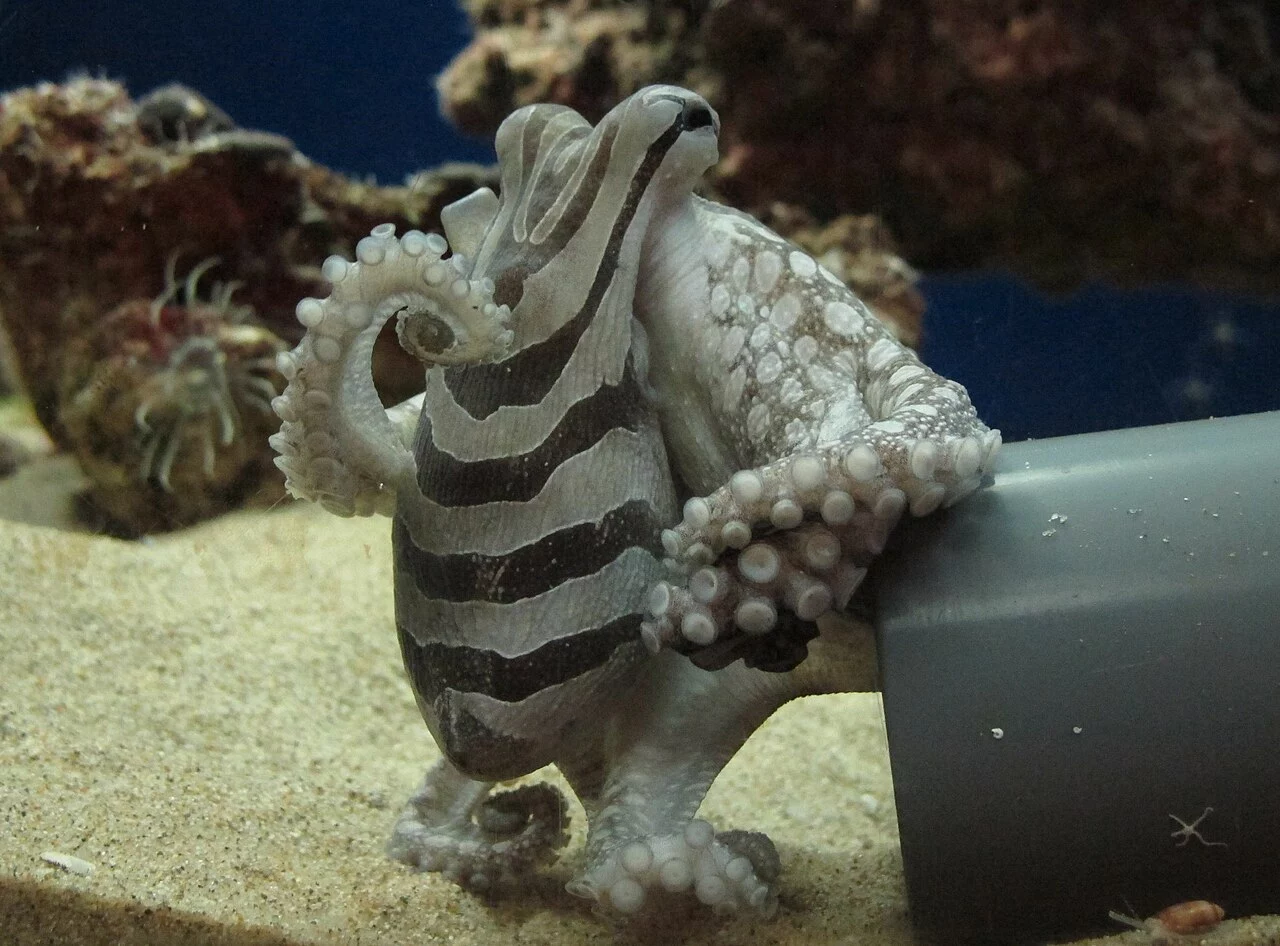
From what I remember hearing too, the original guy who discovered them tried to get the larger zoological community to look into them but no one really wanted to believe him because the claims seemed so absurd. I believe he died around the time, maybe even before, they confirmed them to be true.
From what I remember hearing too, the original guy who discovered them tried to get the larger zoological community to look into them but no one really wanted to believe him because the claims seemed so absurd. I believe he died around the time, maybe even before, they confirmed them to be true.
Yugica
kiwifarms.net
- Joined
- Mar 16, 2021
There exists a whole bunch of different groups of small fish, within the group colloquially called "killifish", who lay their eggs on plants, in sediment or just anywhere that will then dry up. Some of these groups grow in tidal and coastal regions, like the mummichog. Others are known as "annual killifish", which is to put significance on the fact that they never live longer than a year and are cyclical. They are inhabitants of ephemeral or vernal pools, like many kinds of crustaceans(sea monkeys being a great example) and amphibians. The adults die, but their eggs remain dormant in the sediment waiting for the next bout of rain for their eggs to hatch and start the cycle all over. Nothobranchius is one genus of these annual killifish and they come in brilliant colors. People keep them as pets.
Here are some mummichogs:
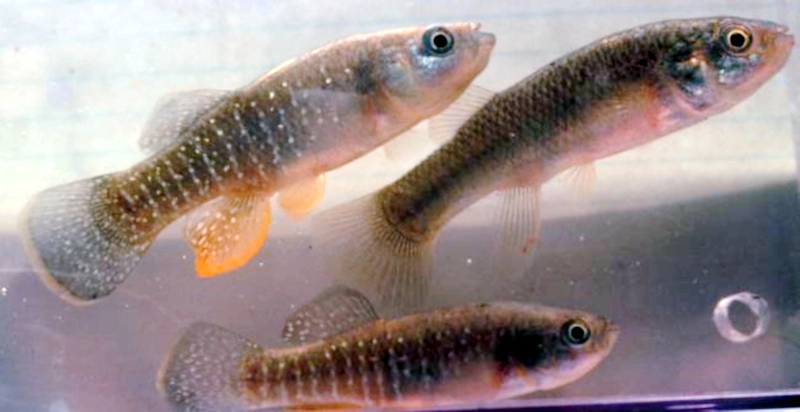
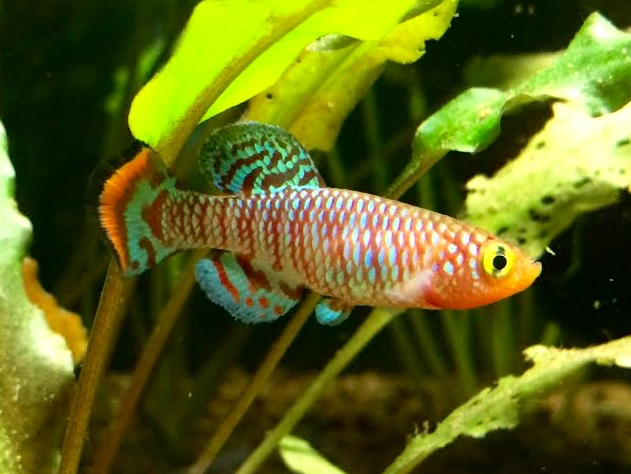
And here is a male Nothobranchius rachovii, which people sell the eggs of online:
Here are some mummichogs:
And here is a male Nothobranchius rachovii, which people sell the eggs of online:

- Joined
- Sep 11, 2024
The Kingdom of Dahomey was a country in West Africa, which was a major exporter of slaves throughout its history.
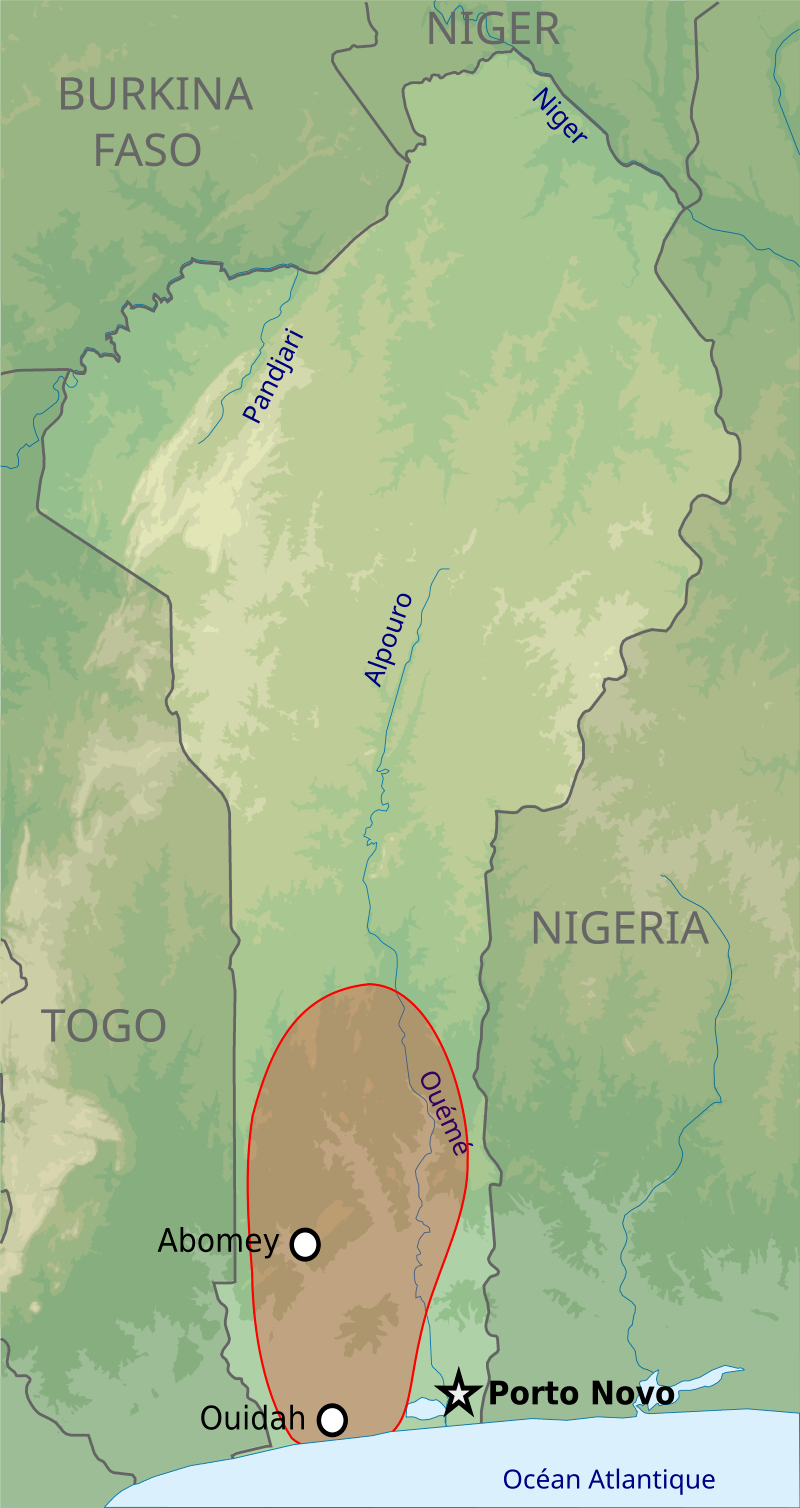
This country had diplomatic relationships with multiple European powers, but its most important partner would be Brazil. When Brazil declared its independence in 1822, Dahomey formally recognized it in 1823, being the first country to do so. One Brazilian slave trader, Francisco Félix de Souza, was so popular in the kingdom that he would receive the unique title of "Chacha" from King Ghezo and be given chieftain status by the locals of Ouidah (the port city he resided in).
The country would be subjugated by the French after two consecutive wars with them in 1894.
This country had diplomatic relationships with multiple European powers, but its most important partner would be Brazil. When Brazil declared its independence in 1822, Dahomey formally recognized it in 1823, being the first country to do so. One Brazilian slave trader, Francisco Félix de Souza, was so popular in the kingdom that he would receive the unique title of "Chacha" from King Ghezo and be given chieftain status by the locals of Ouidah (the port city he resided in).
The country would be subjugated by the French after two consecutive wars with them in 1894.
Yugica
kiwifarms.net
- Joined
- Mar 16, 2021
In Death Valley, one of the hottest and driest places in the United States, there exists two tiny fish that cling to life. One of them, the Devil's Hole Pupfish, lives at the very surface of a deep cave system that hasn't been fully explored. The Devil's Hole itself is very interesting and extreme. The water temperature at the surface stays at about 91f(33c) year-round and the oxygen content is not very pleasant. The cave system is also subject to intense seiches from earthquakes that occur along the Pacific Ring of Fire. This means that earthquakes as far away as Japan and Indonesia will cause major disturbances in the water of the cave. Here's a video of that:
Elsewhere in Death Valley is the closest living relative of the Devil's Hole Pupfish, the Death Valley Pupfish. They live in two spring fed locations, separated from one another. One being the "Salt Creek" and the other being at "Cottonball Marsh". These pupfish and the Devil's Hole Pupfish were once part of a large lake that existed during the last ice age, Lake Manly which now only forms after a great deal of rain hits the area and floods it.
Yugica
kiwifarms.net
- Joined
- Mar 16, 2021
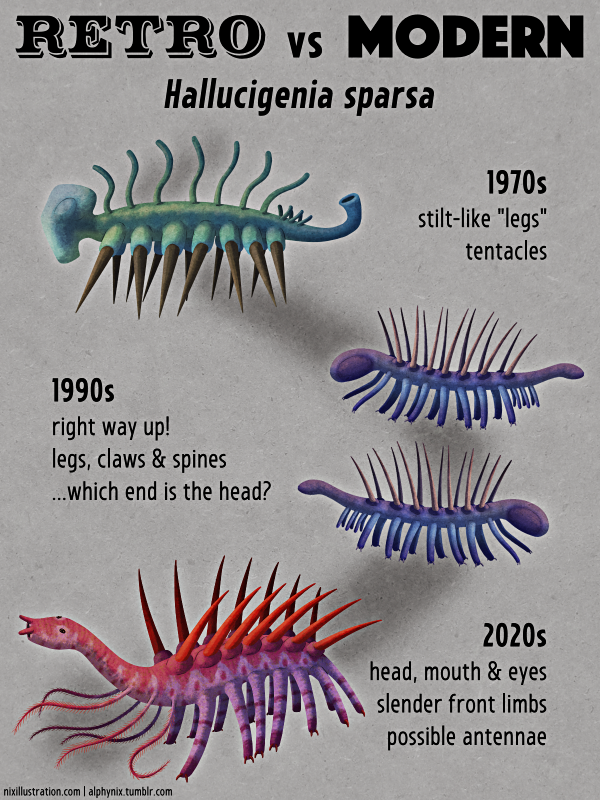
The Cambrian and the period just before it, the Ediacaran show all kinds of odd evolutionary branches of life. One often cited example is Hallucigenia, whose name having a likeness of hallucinations is no accident. In more recent times some very useful evidence has been found to suggest that Hallucigenia has its closest living relatives in the velvet worms, making it a panarthropod, however its prior interpretations and reconstructions were very alien. Here's a picture showing the various interpretations over time.
Another alien from the Cambrian can be seen in Herpetogaster, a seeming relative of the group Echinoderms(Starfish, sea urchins, sea cucumbers and so on) and Hemichordates(Acorn worms are in this group and they have the unfortunate appearance of a penis.).
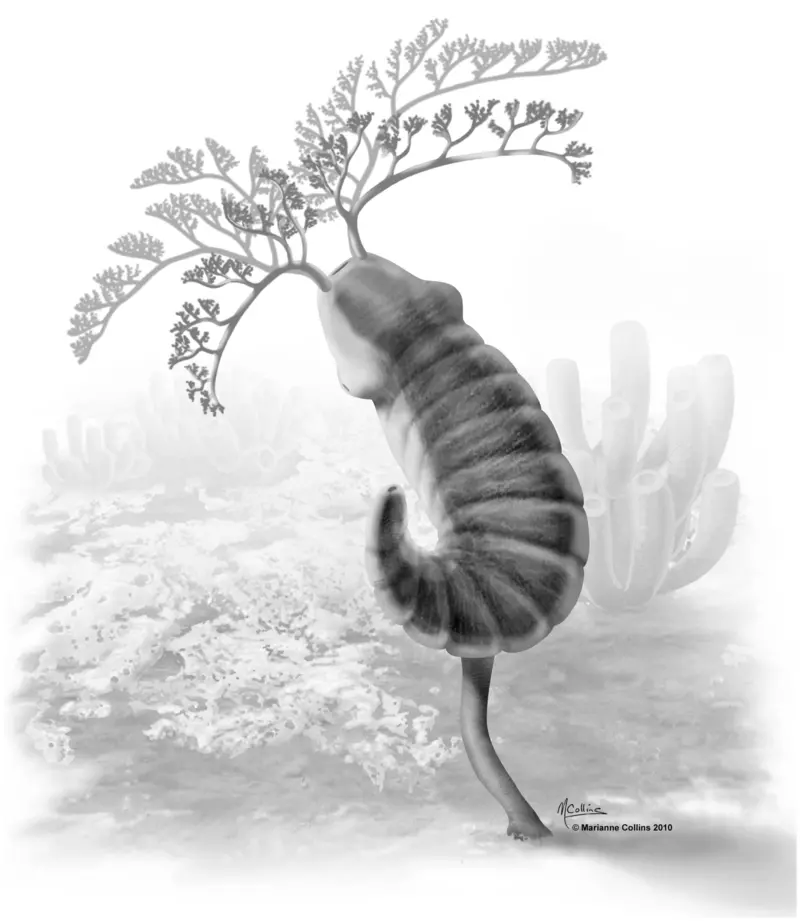
If this is the case then Herpetogaster's closest living relatives outside of the Echinoderms and Hemichordates would be us vertebrates and the tunicates. An even closer relative to vertebrates is thought to exist within the Vetulicolians, who actually very closely resemble the earliest vertebrates in form.

For reference, here is what is thought to be an ancient relative of vertebrates, if not an ancestral one, Pikaia.
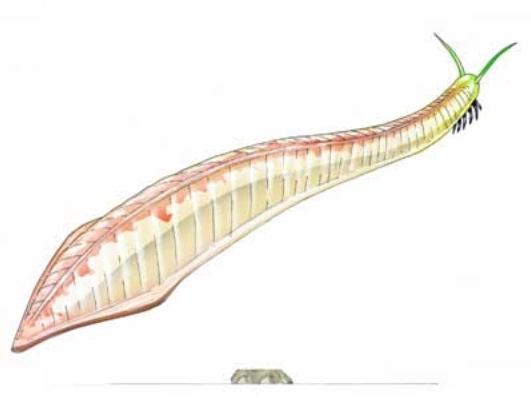
The similarities between these two groups come down to the spiracles and having either a notochord(in Pikaia's case, something all vertebrates inherited) or structures that closely resemble a notochord in the Vetulicholians' case. Pikaia most closely resemble modern day lancelets and it is likely the case that Pikaia lived much like them.
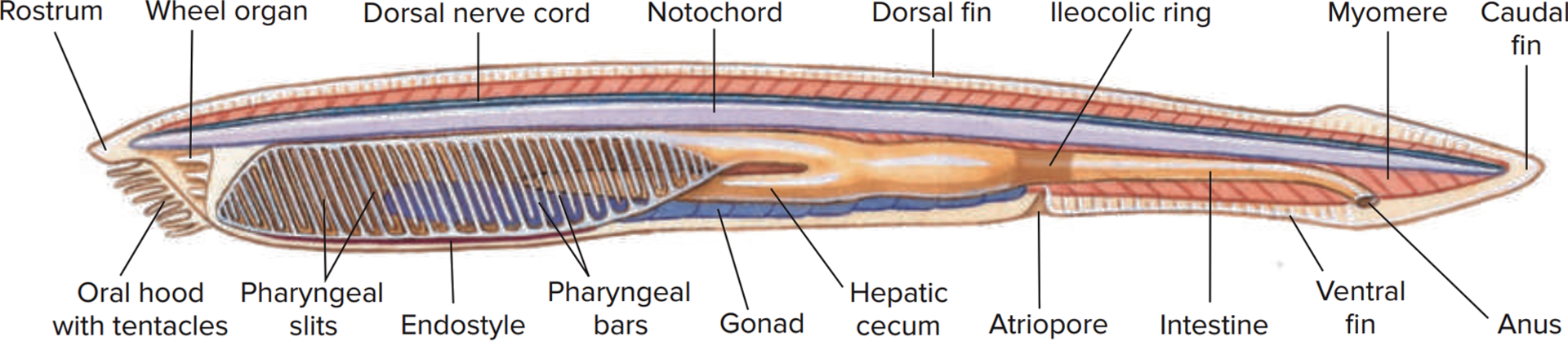
Lancelets for reference burrow into sand and leave their heads exposed. They then filter feed.
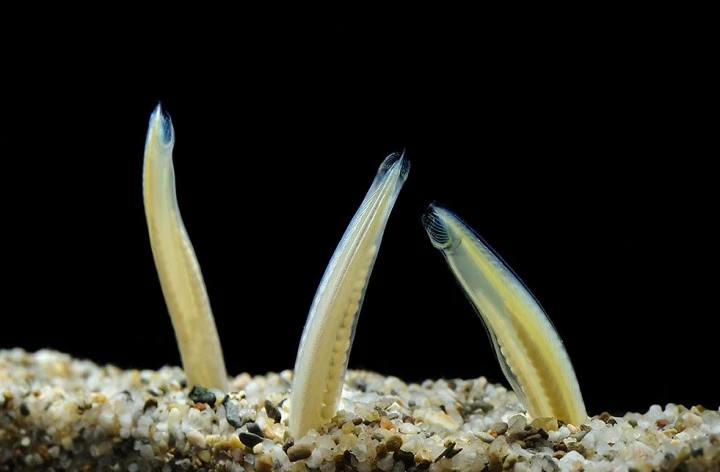
It is very likely that Pikaia did something similar to this and Vetulicholians may have very well done something similar. This is especially convincing because of a kind of mirrored relationship between Vetulicholians and their presumed relatives, Vetulocystians, and what vertebrates and tunicates(sea squirts) have.
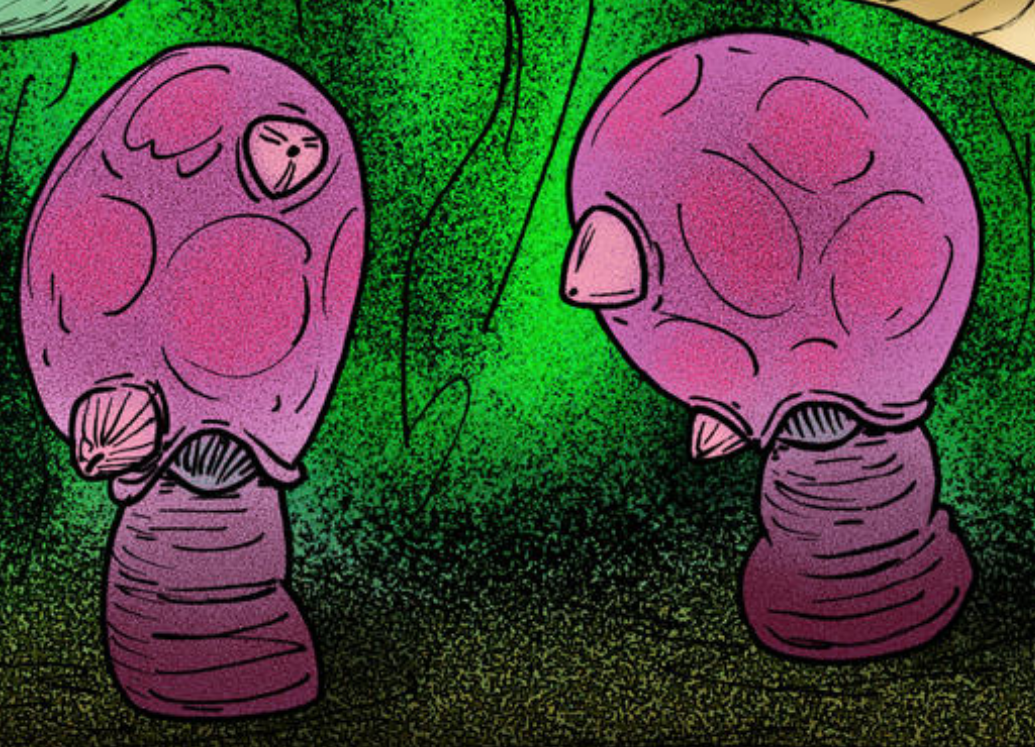
That is that both groups have striking similarities and one group has evolved to be sessile filter feeders, whilst the other is more fish-like and may have also filter-fed.
This is all without even getting into the bizarre forms seen in the Ediacaran which still puzzle paleontologists as to what is even an animal or if other large groups of multicellular life also existed and competed during this time. Hope you've enjoyed this trip in the alien past of this world (:.
Another alien from the Cambrian can be seen in Herpetogaster, a seeming relative of the group Echinoderms(Starfish, sea urchins, sea cucumbers and so on) and Hemichordates(Acorn worms are in this group and they have the unfortunate appearance of a penis.).
If this is the case then Herpetogaster's closest living relatives outside of the Echinoderms and Hemichordates would be us vertebrates and the tunicates. An even closer relative to vertebrates is thought to exist within the Vetulicolians, who actually very closely resemble the earliest vertebrates in form.
For reference, here is what is thought to be an ancient relative of vertebrates, if not an ancestral one, Pikaia.
The similarities between these two groups come down to the spiracles and having either a notochord(in Pikaia's case, something all vertebrates inherited) or structures that closely resemble a notochord in the Vetulicholians' case. Pikaia most closely resemble modern day lancelets and it is likely the case that Pikaia lived much like them.
Lancelets for reference burrow into sand and leave their heads exposed. They then filter feed.
It is very likely that Pikaia did something similar to this and Vetulicholians may have very well done something similar. This is especially convincing because of a kind of mirrored relationship between Vetulicholians and their presumed relatives, Vetulocystians, and what vertebrates and tunicates(sea squirts) have.
That is that both groups have striking similarities and one group has evolved to be sessile filter feeders, whilst the other is more fish-like and may have also filter-fed.
This is all without even getting into the bizarre forms seen in the Ediacaran which still puzzle paleontologists as to what is even an animal or if other large groups of multicellular life also existed and competed during this time. Hope you've enjoyed this trip in the alien past of this world (:.
Yugica
kiwifarms.net
- Joined
- Mar 16, 2021
Continuing from the weirdness of the early animal life from the last post, but this time with the Ediacaran period. This is the period when the first, definite animals emerged. It's the period that is just before the Cambrian and is the newest geologic period to be ratified, the last one being ratified 120 years ago.
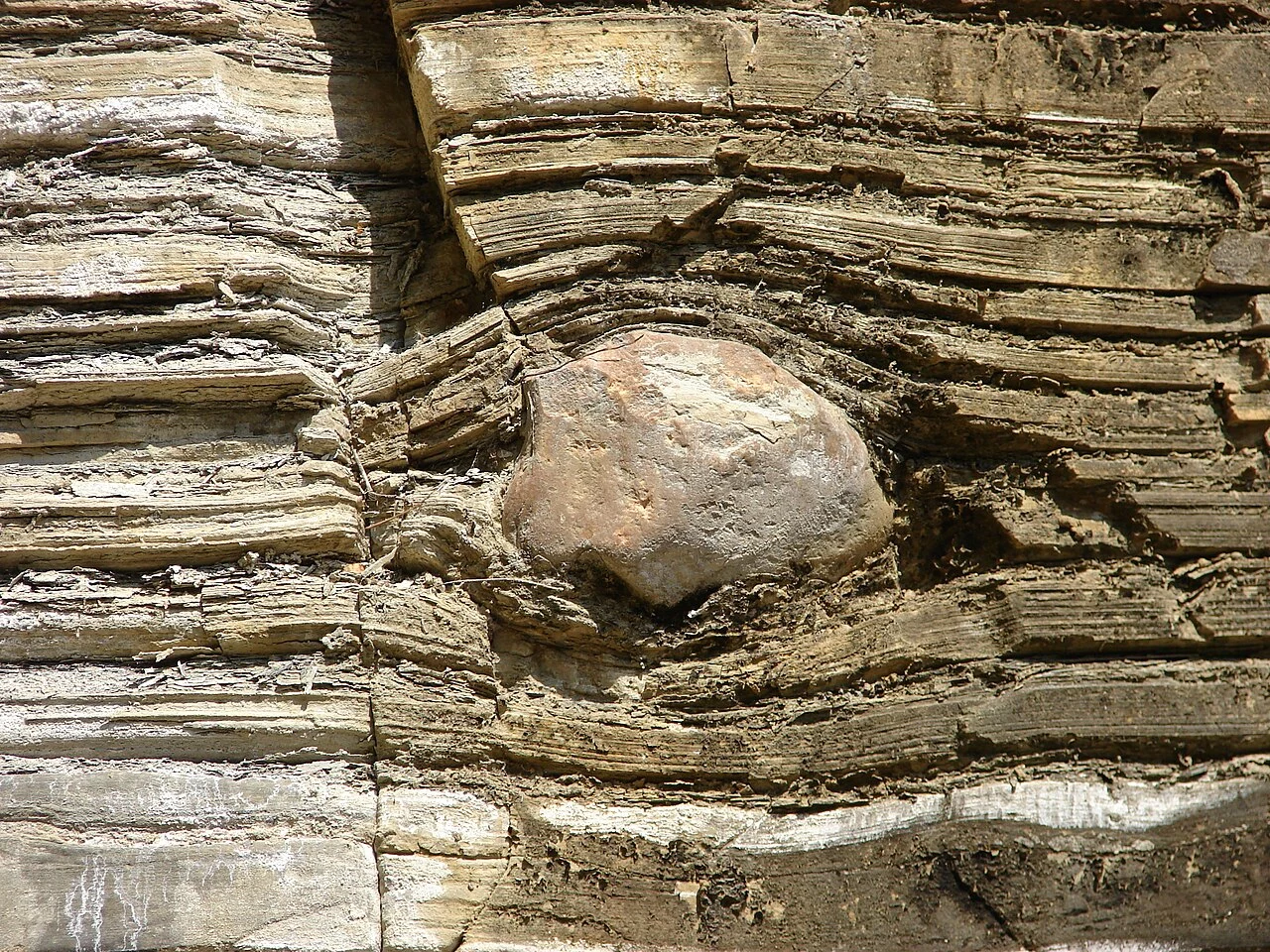
The prelude to the Ediacaran was an intense ice age that absolutely dwarves the one we have come out of. It was so intense that it's believed the entire surface of the planet was covered in ice, if not fully cover, in what is called either a "Slushball Earth" or "Snowball Earth" event, with evidence for this being found in special forms of sedimentary rocks forming with what are called "dropstones", a kind of rock formation that occurs when rocks are dropped into sediments as opposed to being brought there by water currents. For glaciers this is observed today with glaciers capturing rocks as they progress towards bodies of water and break apart into icebergs. Those icebergs, as they travel, melt and the stones fall right out from them and get deposited in marine sediments. The other way dropstones are formed is via volcanic eruptions launching rocks.
The oldest confirmed animal by chemical analysis, Dickinsonia, is from this period.

Although rather unimpressive looking and resembling something one could easily confuse with a leaf, Dickinsonia actually shows some remarkable evidence of having been a kind of a bottom feeder. To explain though, it's important to establish that before the Cambrian period the oceans were largely dominated by a kind of habitat known as a "microbial mat." These habitats are dominated by single-celled organisms forming thick, often fibrous, mats and films on sediments. These mats can be quite tough but they are also alive. Stomatolites, a kind of rock formation, are formed by some kinds microbial mats and they still exist today and are also some of the oldest kinds of fossils found.


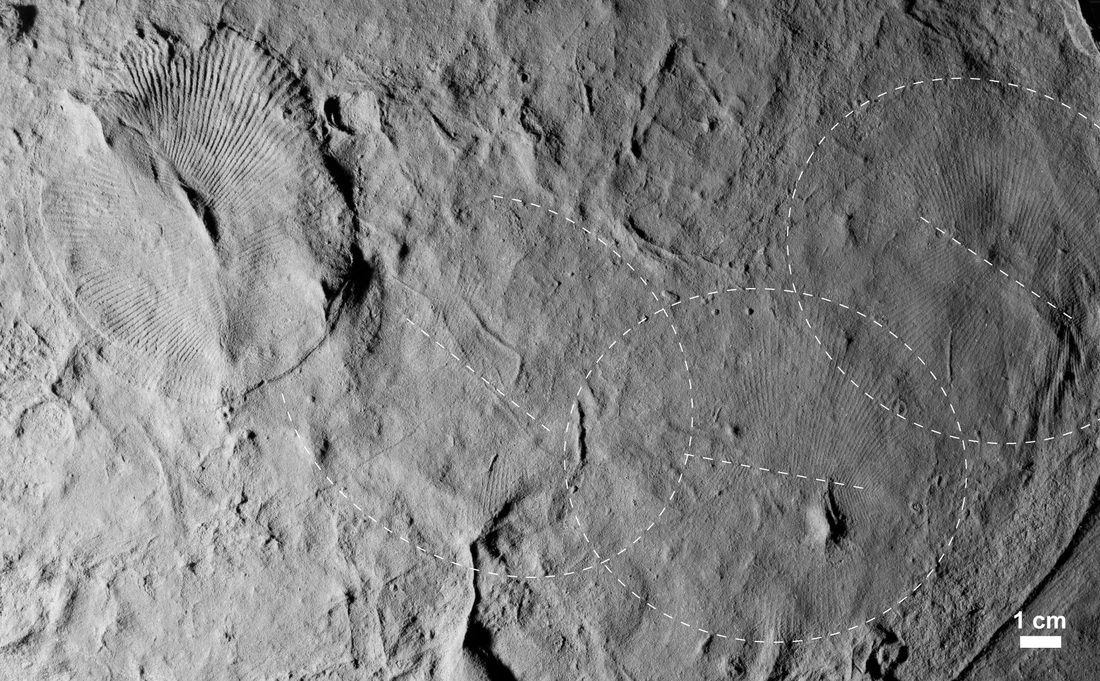
Dickinsonia, in this microbial mat dominated environment however has had ichnofossils(also known as "trace fossils", the kind you get from animal tracks and so on) where it is clear that it had digested portions of the microbial mat underneath it and then moved to a new spot to repeat this effort. This is because, in the picture you'll see below, it left impressions into the microbial mat of its body. This article is where the picture is from too and covers more on Dickinsonia.
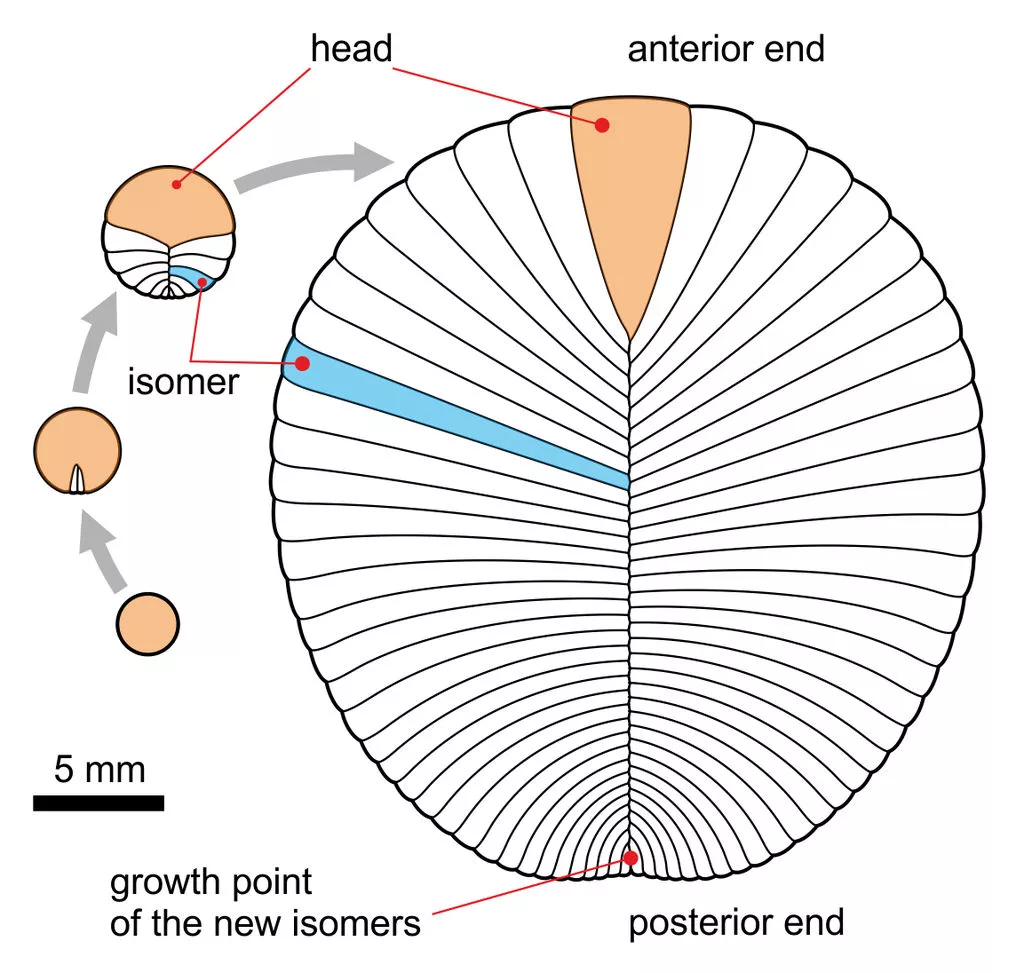
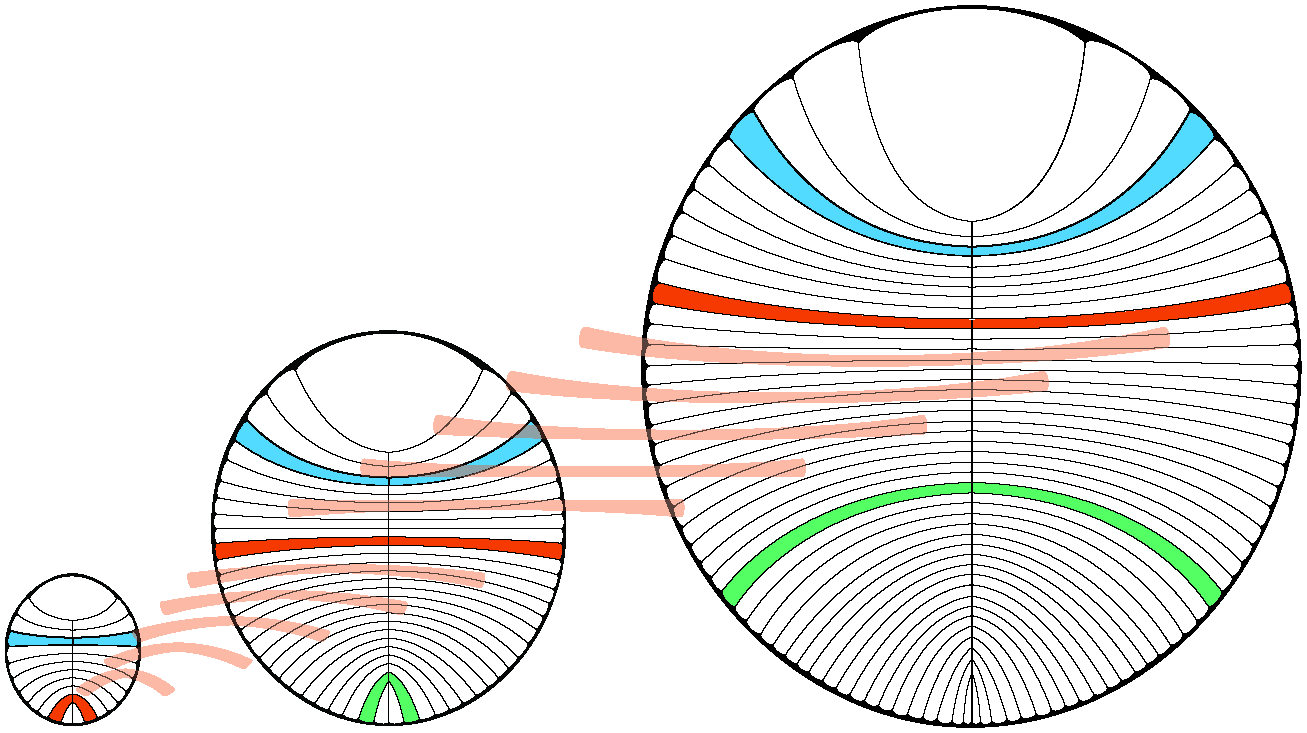
Some species of Dickinsonia were also able to grow to be about a meter long. Beyond that it's not certain if they had true bilateral symmetry that bilateral animals, like us, have. Instead Dickinsonia and its relatives may have had "glide symmetry." This is very similar to bilateral symmetry but is best shown off in the following two illustrations straight from wikipedia. The left diagram being glide symmetry and the right one being bilateral:
Dickinsonia is not the only organism from this period with odd growth or potentially odd symmetries however, as the very enigmatic Rangeomorphs have what has been called "fractal symmetry." Their placement on the tree of life is very uncertain and their group contained the largest known organisms of this period. It's not clear if they were animals, some odd protist, fungi, or weird algae. The one thing that is clear is that they likely weren't all capable of photosynthesis(and almost certainly none of them could) as many have been fossilized growing below the photic zone where light is available.
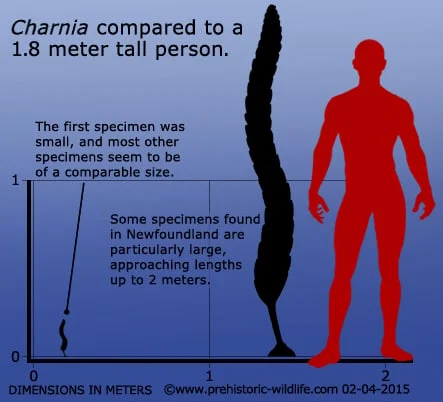
The best explanation that I've heard for the extinction of the Ediacaran fauna and its oddities is with the Cambrian Substrate Revolution, where early bilaterian worm-like animals began destroying the microbial mat communities and radically altering the biosphere. This would've released valuable nutrients into the water and made it harder for many of the sessile organisms to anchor themselves. Animals like Dickinsonia would be out of their food source too. There is also evidence of animal predation beginning in this time period, with evidence of biomineralized(think of the shell of a clam or snail or our own bones) structures having bore holes drilled into them. Biomineralization itself is a good indication of predatory behavior being at play too.

Hopefully this post wasn't too long or boring.
The prelude to the Ediacaran was an intense ice age that absolutely dwarves the one we have come out of. It was so intense that it's believed the entire surface of the planet was covered in ice, if not fully cover, in what is called either a "Slushball Earth" or "Snowball Earth" event, with evidence for this being found in special forms of sedimentary rocks forming with what are called "dropstones", a kind of rock formation that occurs when rocks are dropped into sediments as opposed to being brought there by water currents. For glaciers this is observed today with glaciers capturing rocks as they progress towards bodies of water and break apart into icebergs. Those icebergs, as they travel, melt and the stones fall right out from them and get deposited in marine sediments. The other way dropstones are formed is via volcanic eruptions launching rocks.
The oldest confirmed animal by chemical analysis, Dickinsonia, is from this period.
Although rather unimpressive looking and resembling something one could easily confuse with a leaf, Dickinsonia actually shows some remarkable evidence of having been a kind of a bottom feeder. To explain though, it's important to establish that before the Cambrian period the oceans were largely dominated by a kind of habitat known as a "microbial mat." These habitats are dominated by single-celled organisms forming thick, often fibrous, mats and films on sediments. These mats can be quite tough but they are also alive. Stomatolites, a kind of rock formation, are formed by some kinds microbial mats and they still exist today and are also some of the oldest kinds of fossils found.
Dickinsonia, in this microbial mat dominated environment however has had ichnofossils(also known as "trace fossils", the kind you get from animal tracks and so on) where it is clear that it had digested portions of the microbial mat underneath it and then moved to a new spot to repeat this effort. This is because, in the picture you'll see below, it left impressions into the microbial mat of its body. This article is where the picture is from too and covers more on Dickinsonia.
Some species of Dickinsonia were also able to grow to be about a meter long. Beyond that it's not certain if they had true bilateral symmetry that bilateral animals, like us, have. Instead Dickinsonia and its relatives may have had "glide symmetry." This is very similar to bilateral symmetry but is best shown off in the following two illustrations straight from wikipedia. The left diagram being glide symmetry and the right one being bilateral:
Dickinsonia is not the only organism from this period with odd growth or potentially odd symmetries however, as the very enigmatic Rangeomorphs have what has been called "fractal symmetry." Their placement on the tree of life is very uncertain and their group contained the largest known organisms of this period. It's not clear if they were animals, some odd protist, fungi, or weird algae. The one thing that is clear is that they likely weren't all capable of photosynthesis(and almost certainly none of them could) as many have been fossilized growing below the photic zone where light is available.
The best explanation that I've heard for the extinction of the Ediacaran fauna and its oddities is with the Cambrian Substrate Revolution, where early bilaterian worm-like animals began destroying the microbial mat communities and radically altering the biosphere. This would've released valuable nutrients into the water and made it harder for many of the sessile organisms to anchor themselves. Animals like Dickinsonia would be out of their food source too. There is also evidence of animal predation beginning in this time period, with evidence of biomineralized(think of the shell of a clam or snail or our own bones) structures having bore holes drilled into them. Biomineralization itself is a good indication of predatory behavior being at play too.
Hopefully this post wasn't too long or boring.

- Joined
- Oct 19, 2024
More geological history facts for anyone interested:
Evidence for meteor bombardment during the Ordovician period, particularly the way that most of the meteors landed in a roughly straight line near what was then the Equator, suggests that the Earth had a short-lived system of rings that resulted from an asteroid approaching the Earth in an orbit that was just close enough to tear it apart. This asteroid may have contributed to a mass extinction, not by blocking out the Sun in an impact winter, but by forming rings that reflected enough of the Sun's light to cause the first major ice age following the end of the Precambrian.
Evidence for meteor bombardment during the Ordovician period, particularly the way that most of the meteors landed in a roughly straight line near what was then the Equator, suggests that the Earth had a short-lived system of rings that resulted from an asteroid approaching the Earth in an orbit that was just close enough to tear it apart. This asteroid may have contributed to a mass extinction, not by blocking out the Sun in an impact winter, but by forming rings that reflected enough of the Sun's light to cause the first major ice age following the end of the Precambrian.
Yugica
kiwifarms.net
- Joined
- Mar 16, 2021
Speaking of evidence for meteor bombardments and the Ordovician, there's the "Deniliquin multi-ring feature" that may very well be the remnants of a giant crater from around that time near the late Ordovician mass extinction. If only we still had rings around Earth, it'd make the night sky so much more beautiful.Evidence for meteor bombardment during the Ordovician period
- Joined
- Oct 19, 2024
I think that the early Moon would have probably been the most fascinating thing to see in the night sky. I mean, like, back when the mares were seas of molten lava. I can't imagine what it would be like to look up and see that hanging overhead, especially since it was significantly closer at the time.If only we still had rings around Earth, it'd make the night sky so much more beautiful.
Not that being on Earth then would have been something you could survive, but it would have been beautiful if you could somehow.

- Joined
- Nov 10, 2022
I think that the early Moon would have probably been the most fascinating thing to see in the night sky. I mean, like, back when the mares were seas of molten lava. I can't imagine what it would be like to look up and see that hanging overhead, especially since it was significantly closer at the time.
Not that being on Earth then would have been something you could survive, but it would have been beautiful if you could somehow.
I think I can save you a trip:
Yugica
kiwifarms.net
- Joined
- Mar 16, 2021
There's actually a good likelihood the Moon was habitable too for a good deal of time. Given how rapidly the Earth seemed to show signs of life and how many big asteroids would've struck the Earth, it may have actually been possible that after both the Moon and Earth cooled off that there was some life sprouting there. I'm a bit hopeful in that there may still be life chugging along near its core. But it would also be neat if the Moon itself was mottled with the colors of microbes for a time just as the Earth was.I think that the early Moon would have probably been the most fascinating thing to see in the night sky. I mean, like, back when the mares were seas of molten lava. I can't imagine what it would be like to look up and see that hanging overhead, especially since it was significantly closer at the time.
Also in contrast to the Moon being so huge in the sky, the sun would've been dimmer all the way back then too, right? I think I remember something like the Sun gets 20% brighter every billion years or so.

ChompChomp
kiwifarms.net
- Joined
- Feb 2, 2025