Navigation
Install the app
How to install the app on iOS
Follow along with the video below to see how to install our site as a web app on your home screen.
Note: This feature may not be available in some browsers.
More options
Style variation
You are using an out of date browser. It may not display this or other websites correctly.
You should upgrade or use an alternative browser.
You should upgrade or use an alternative browser.
THE BIRD THREAD - Post birds, discuss birds or even sniff birds.
- Thread starter Funnybone
- Start date
-
🏰 The Fediverse is up. If you know, you know.
-
Want to keep track of this thread?
Accounts can bookmark posts, watch threads for updates, and jump back to where you stopped reading.
Create account


Skelboen
kiwifarms.net
- Joined
- Mar 10, 2026
You know I never even noticed the order of those photos until you mentioned it. They're all at different times because they don't all get alongNice combo shot with the Lady satin bower bird, galah and the crimson rosellas!


- Joined
- Apr 24, 2025
Found a really exquisite birb at the local harbor.
View attachment 8615021

Yellow Rose Of Texas
kiwifarms.net
- Joined
- Apr 28, 2024

- Joined
- Sep 15, 2024
Skelboen
kiwifarms.net
- Joined
- Mar 10, 2026
MORE FUCKEN BIRDS. Now I know there's a bird thread I'm going to post local birds way too often. I'm a disney princess that gets assaulted by wildlife every second I leave the house
Attachments


Skelboen
kiwifarms.net
- Joined
- Mar 10, 2026
Poor starving fleabags that are fading away to shadows. Part of the reason I'm here is that I've been banned from Reddit multiple times for cussing people out on the r/australianbirds forum for feeding native wildlife. The real situation: I live in a remote tourist destination where too many birds are relying on bread and potato chips and human food scraps, so I top up a 40L bucket with a 20kg bag of parrot breeder mix from the farm supply store every week and welcome them to my yard to do their actual grass parrot or corvid thing. I'm not showing off with the kangaroo photos because they're lawn ornaments at this point
Attachments
-
 DSC04656.JPG4.2 MB · Views: 20
 -
 DSC01287.JPG.webp3.4 MB · Views: 27
 -
 roo.JPG439.1 KB · Views: 24
 -
 DSC03833.JPG4.5 MB · Views: 21
 -
 kingparrot.JPG420.1 KB · Views: 16
 -
 DSC03947.JPG3.6 MB · Views: 15
 -
 DSC03729.JPG4.3 MB · Views: 13
 -
 DSC01059.JPG4 MB · Views: 14
 -
 DSC00958.JPG2.3 MB · Views: 15
 -
 straya.JPG467.2 KB · Views: 19


Bnuny
kiwifarms.net
- Joined
- Jul 31, 2025
I strongly recommend you don't post pictures of yourself on this site.I'm the Bird Whisperer at this point
- Joined
- Sep 15, 2024
Skelboen
kiwifarms.net
- Joined
- Mar 10, 2026
But I haven't even posted an arsenal of 3D printed guns or a manifesto about Total Pajeet Death yet. Is there a way to remove individual photos, or have I done goofed? If I get doxxed I just fight cunts in real life. I doubt an army of hateful troons will descend on my small town based on the photo of a streetscape and some non-descript bearded cunt
Also fuel is really expensive if the new QLD Thought Police Unit need to come and arrest me for saying the N word, or for suggesting the fluctuating fuel prices are an act of Jewish Mysticism
That's a male eclectus parrot which is surprisingly green while the females are the bright coloured ones
- Joined
- Sep 15, 2024
'There should be an Edit button at the bottom left corner of your message.Is there a way to remove individual photos, or have I done goofed?
If the button is there, you'll see the photos at the bottom. Find the one showing your face and tap the trash can icon above it.
If the button isn't there, then you fucked up. It's best to make a post on Talk to Staff and ask them to remove it. They probably won't, but it's the only option.
Skelboen
kiwifarms.net
- Joined
- Mar 10, 2026
Thanks mate. I think the mods stepped in before it became a problem. Fucken birds and 7th generation roos tho'There should be an Edit button at the bottom left corner of your message.
View attachment 8702620
If the button is there, you'll see the photos at the bottom. Find the one showing your face and tap the trash can icon above it.
If the button isn't there, then you fucked up. It's best to make a post on Talk to Staff and ask them to remove it. They probably won't, but it's the only option.
Attachments


Sasmate
kiwifarms.net
- Joined
- Oct 2, 2025
Year-round Ducks of the southeastern United States.
The southeast is heavily populated so statistically more likely to have bird enthusiasts by sheer mass. Today I will share with you all the ducks you are likely to see year-round or for the majority of the year! For your viewing pleasure.
First up, the mallard
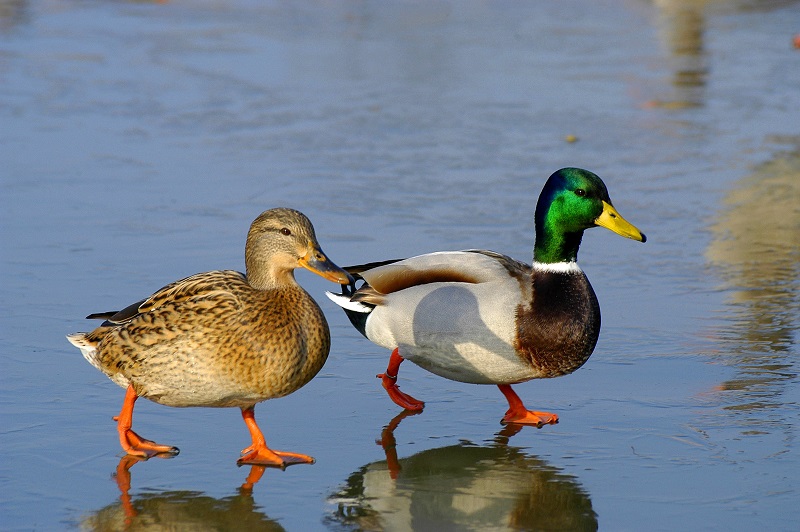
Familiar sight across all bodies of water in the southeast. Species you are most likely to see in your backyard. They are the species most domestic duck breeds descend from. They’re large and generally less skittish than the other species here. Frequent all habitats listed here.
Next, Wood ducks!
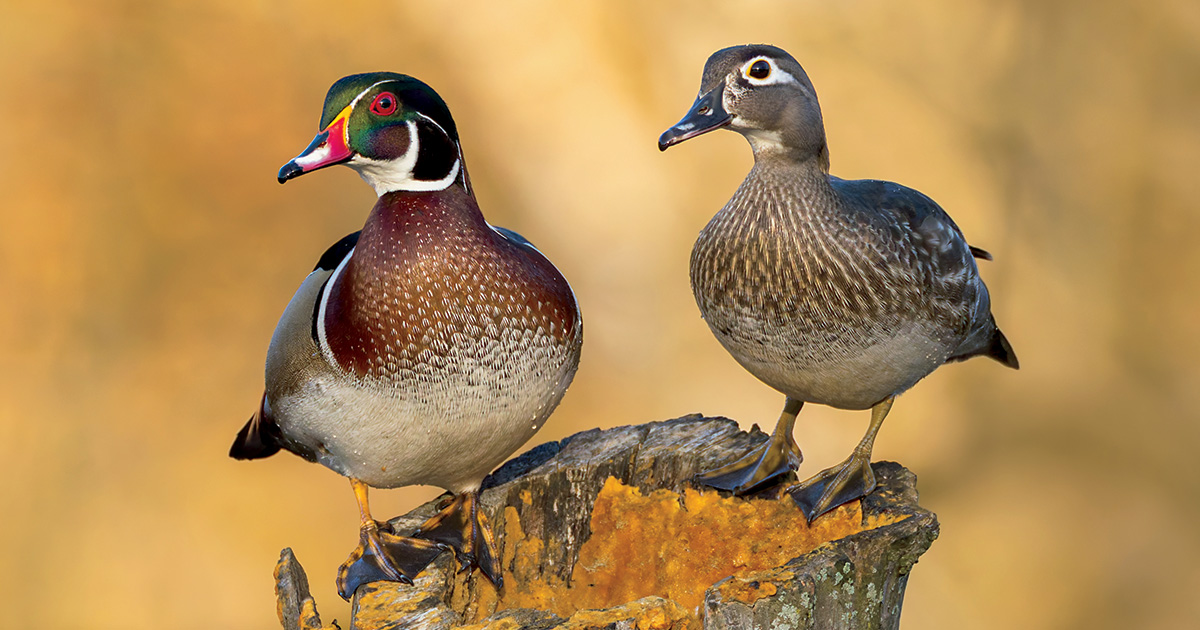
The southeast was made for them. Ducks that nest in trees in the middle of swamps and flooded gallery forests, you are unlikely to see them in public parks or urban areas. As an anecdote, I got to view a few pairs of these guys today by belly-crawling through some thorns and cypress litter deep in the forest. They are extraordinarily timid and shy. The male whistles and the female makes keening cries.
Now a bit uncommon but present consistently, the Hooded Merganser
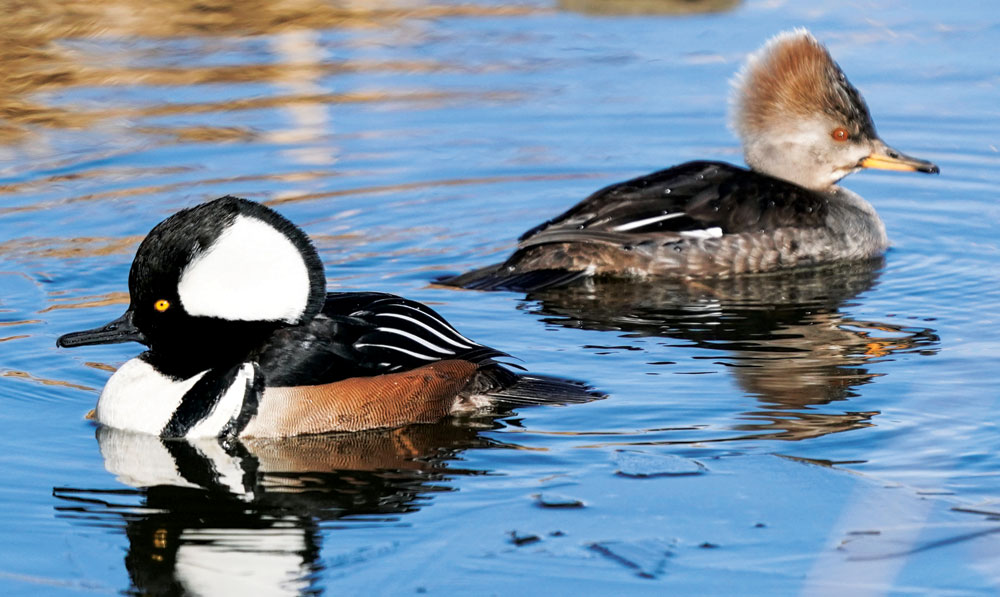
Diving ducks that focus more on fish as the bulk of their diet. Their feet are further back on their bodies than the others listed here, so they require a running start to takeoff. You are more likely to see them flushing given the pattering run they require before their exit. Prefer similar habitat as wood ducks but usually with deeper water. Listen for the male courtship call; booming deep grunts. Females make a raspy quack.
Next up, much more uncommon but with scattered groups breeding throughout the southeast, the Blue winged teal.
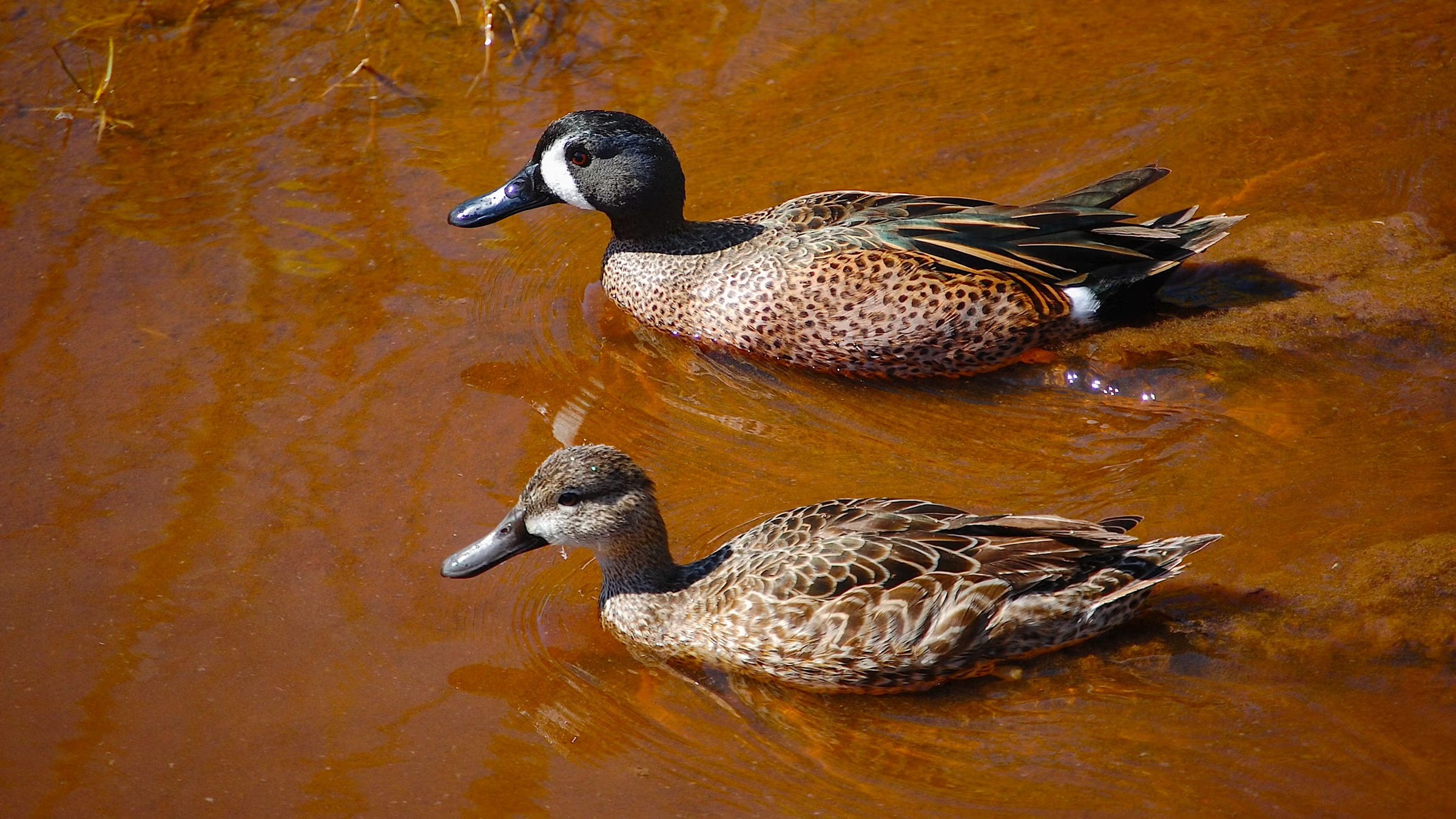
Even the males are extremely tiny. Their calls are rapid squeaks, and tiny quacks from the females. They frequent similar habitat to the others listed but may be found on somewhat more open bodies of water, at least rurally. They are shy but less explosively fearful than the wood duck and merganser. They are a tropical species and dislike even mild cold, usually the first to migrate south in fall. They all mostly migrate out of the states but you are likely to see some in the Deep South during mild winters.
Finally, and most interestingly to me, the Black-bellied whistling duck
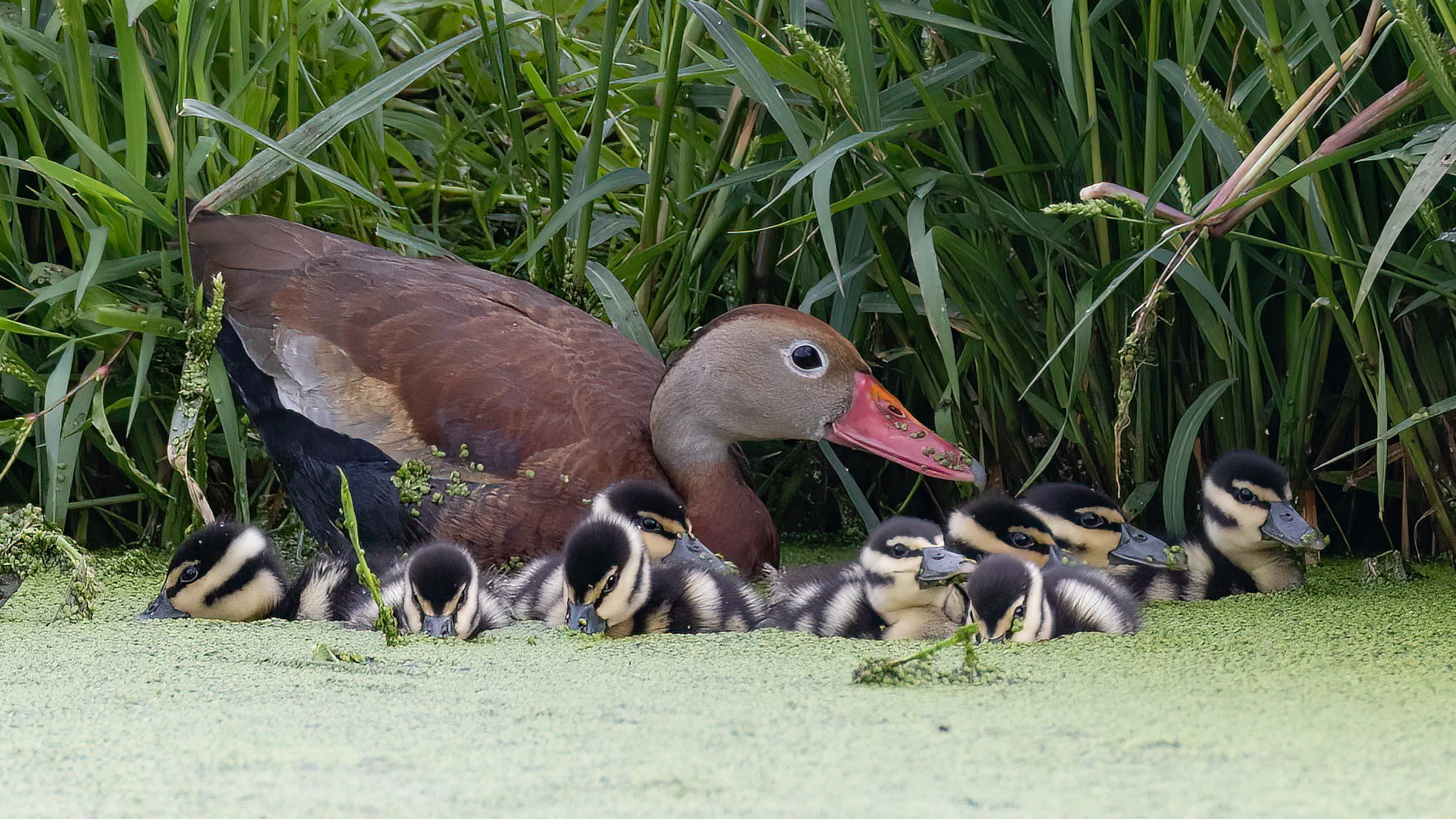
About the size of a mallard, but with longer legs that are placed underneath the body. Given their name they make sharp whistling vocals. More likely to be seen grazing on pasture and in the open. They also frequent parkland in urban areas like the mallard. They are native to the Deep South but are rapidly exploding their range in recent years, with breeding occurring in states like KY, TN, MO, NC, etc. You may see them year round in some transition states from south to deep-south in mild winters, as they dislike cold. Fun fact- they mate for many many years in marriage like geese, unlike the serial monogamy of the other species. They also perch in trees.
BONUS DUCK
The Muscovy/Barbary duck
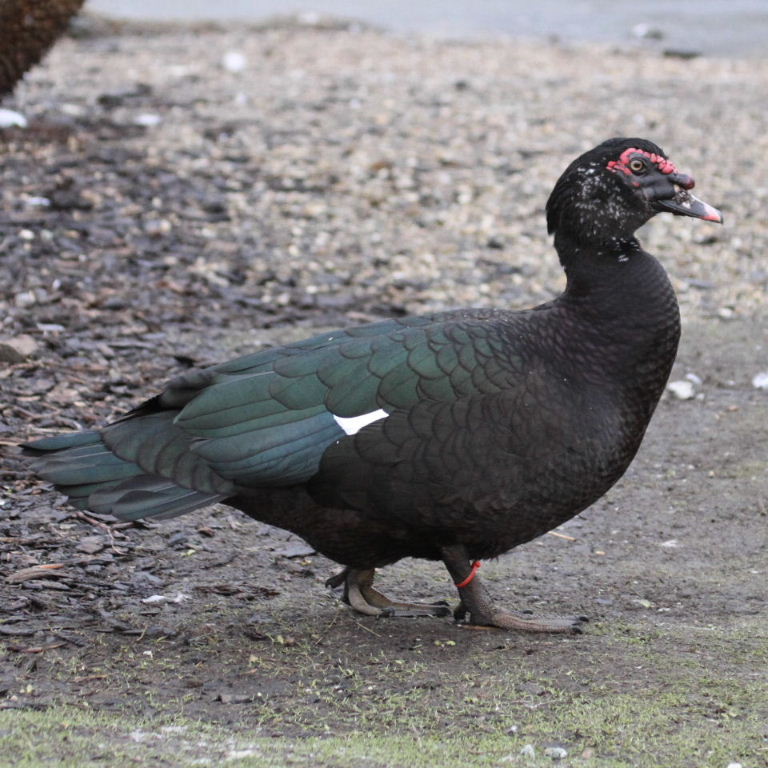
This duck is technically not native to the southeast unless you count southern Texas, but feral descendants are widespread throughout this region. They are an absolutely enormous tropical duck hailing from South America, and so the southeast is a nice hotbed of habitat for them. Males reach up to 15-18 pounds and are armed with sharp talons; therefore they are much more relaxed than the ducks above. You usually see them in urban areas but it is possible to see them in swamps or otherwise rural places. They nest in trees like the wood and whistling duck. The males rasp and the females squeak or quack.
That was my duck talk and info dump for any Kiwis looking for cool waterfowl in the southeast USA. Thank you.
The southeast is heavily populated so statistically more likely to have bird enthusiasts by sheer mass. Today I will share with you all the ducks you are likely to see year-round or for the majority of the year! For your viewing pleasure.
First up, the mallard
Familiar sight across all bodies of water in the southeast. Species you are most likely to see in your backyard. They are the species most domestic duck breeds descend from. They’re large and generally less skittish than the other species here. Frequent all habitats listed here.
Next, Wood ducks!
The southeast was made for them. Ducks that nest in trees in the middle of swamps and flooded gallery forests, you are unlikely to see them in public parks or urban areas. As an anecdote, I got to view a few pairs of these guys today by belly-crawling through some thorns and cypress litter deep in the forest. They are extraordinarily timid and shy. The male whistles and the female makes keening cries.
Now a bit uncommon but present consistently, the Hooded Merganser
Diving ducks that focus more on fish as the bulk of their diet. Their feet are further back on their bodies than the others listed here, so they require a running start to takeoff. You are more likely to see them flushing given the pattering run they require before their exit. Prefer similar habitat as wood ducks but usually with deeper water. Listen for the male courtship call; booming deep grunts. Females make a raspy quack.
Next up, much more uncommon but with scattered groups breeding throughout the southeast, the Blue winged teal.
Even the males are extremely tiny. Their calls are rapid squeaks, and tiny quacks from the females. They frequent similar habitat to the others listed but may be found on somewhat more open bodies of water, at least rurally. They are shy but less explosively fearful than the wood duck and merganser. They are a tropical species and dislike even mild cold, usually the first to migrate south in fall. They all mostly migrate out of the states but you are likely to see some in the Deep South during mild winters.
Finally, and most interestingly to me, the Black-bellied whistling duck
About the size of a mallard, but with longer legs that are placed underneath the body. Given their name they make sharp whistling vocals. More likely to be seen grazing on pasture and in the open. They also frequent parkland in urban areas like the mallard. They are native to the Deep South but are rapidly exploding their range in recent years, with breeding occurring in states like KY, TN, MO, NC, etc. You may see them year round in some transition states from south to deep-south in mild winters, as they dislike cold. Fun fact- they mate for many many years in marriage like geese, unlike the serial monogamy of the other species. They also perch in trees.
BONUS DUCK
The Muscovy/Barbary duck
This duck is technically not native to the southeast unless you count southern Texas, but feral descendants are widespread throughout this region. They are an absolutely enormous tropical duck hailing from South America, and so the southeast is a nice hotbed of habitat for them. Males reach up to 15-18 pounds and are armed with sharp talons; therefore they are much more relaxed than the ducks above. You usually see them in urban areas but it is possible to see them in swamps or otherwise rural places. They nest in trees like the wood and whistling duck. The males rasp and the females squeak or quack.
That was my duck talk and info dump for any Kiwis looking for cool waterfowl in the southeast USA. Thank you.

- Joined
- Dec 23, 2025
Some more mallards to soothe your ails.

- Joined
- Oct 31, 2021
While we’re duck posting I was on the bus the other day and quickly took a load of pictures as we went past this pond and I found a few badly photographed gems


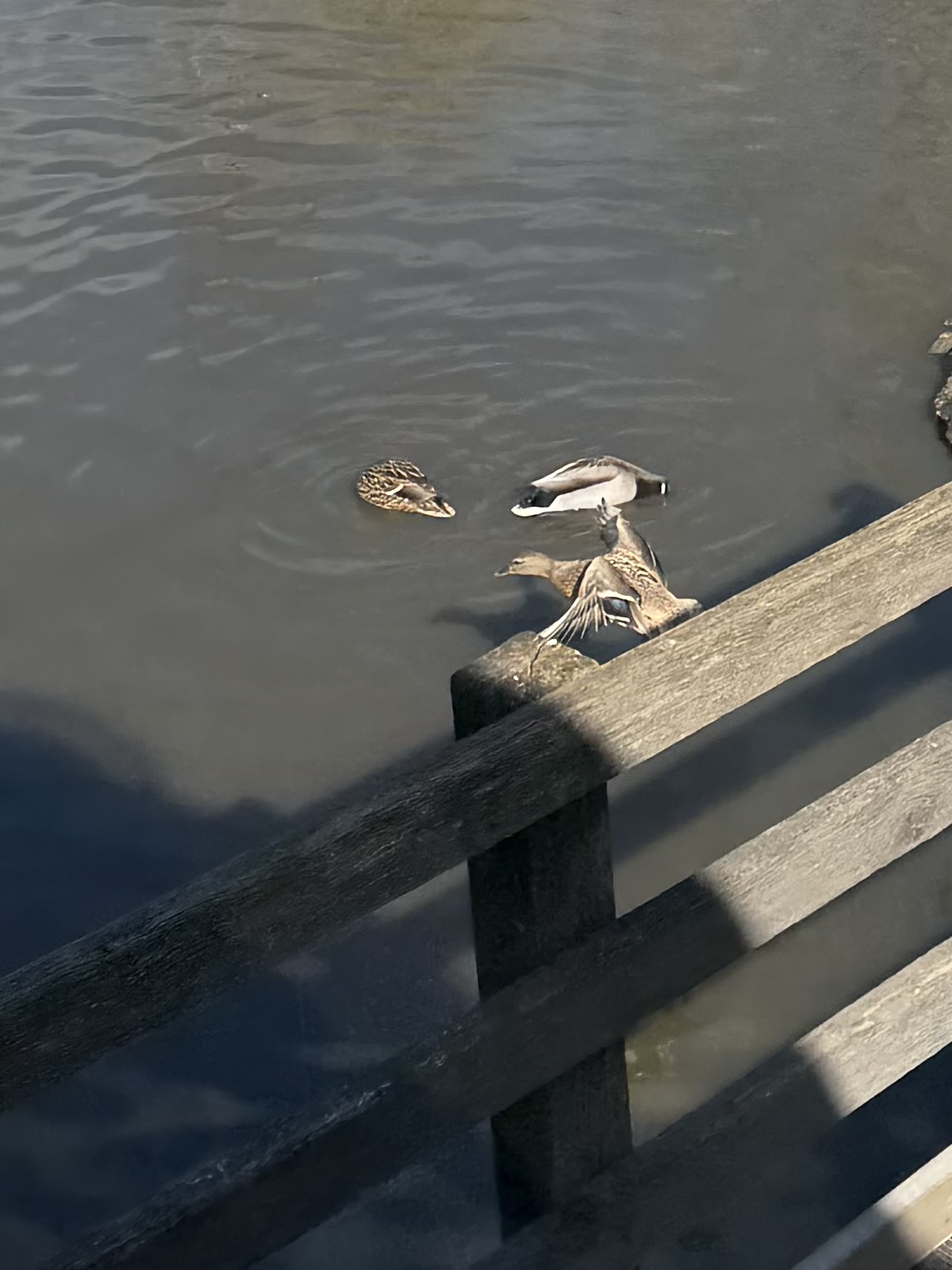
Bonus crow
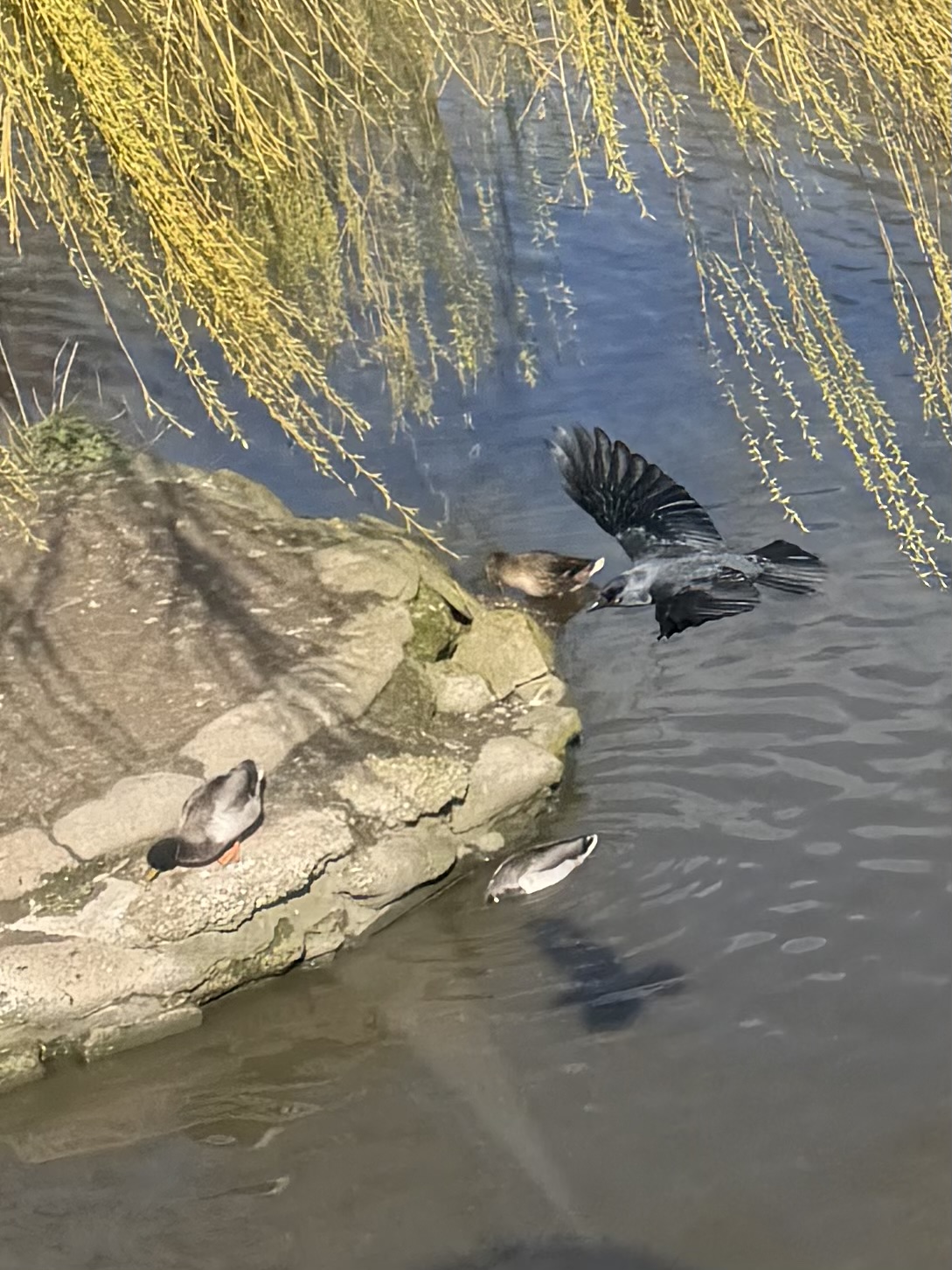


Bonus crow


- Joined
- Mar 15, 2025
My autistic bird passed away today. I gave him a funeral. He was so strong and didn't want to let go, his heart held onto life for four days. I wasn't ready to give up if he didn't, I'm still not even though he is gone.
I remember once coming home and seeing him in the window, enjoying the night's summer air while a neighborhood cat stared him down from the backyard fence he was perched on. My bird gave not a single shit he was being looked at like a chicken wing in the oven while only a mesh screen was between the two of them. He was one of my favorite gifts from God.

I remember once coming home and seeing him in the window, enjoying the night's summer air while a neighborhood cat stared him down from the backyard fence he was perched on. My bird gave not a single shit he was being looked at like a chicken wing in the oven while only a mesh screen was between the two of them. He was one of my favorite gifts from God.
Last edited:

- Joined
- Oct 27, 2021
First day of Spring (yesterday) I sighted a hawk building a nest high in the main crotch of a tall tree near the front of my house. Been watching it bring 1-2' branches/twigs to the nest. They usually nest deeper in the woods behind my house, so this is a treat - the view from my front lawn is unobstructed. Need to grab my binocs to see what kind of hawk.
Otherwise hearing tons of birdsong and seeing lots of mammas hopping around.
Otherwise hearing tons of birdsong and seeing lots of mammas hopping around.